
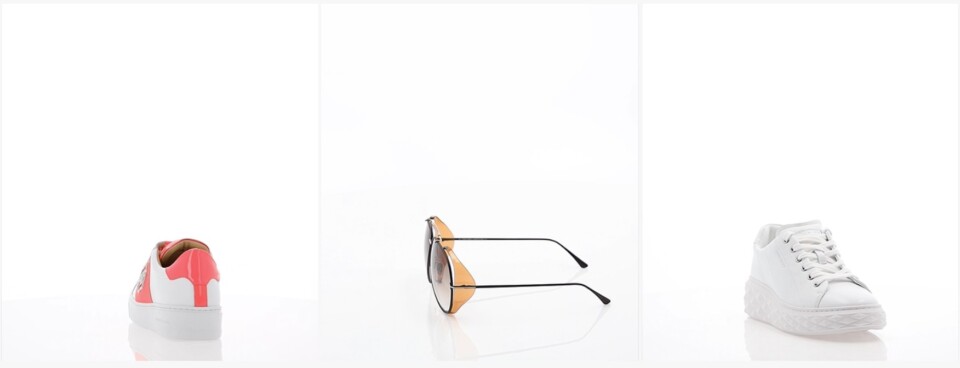
360-Degree Videos vs 360-Degree Photos
What Is 360-Degree Product Photography?
360-degree product photography, also known as 360° spin photography, involves capturing a series of product images from all angles to create a seamless rotation view. Viewers can then rotate and examine the product from every perspective on a website. This technique is commonly used for marketing, eCommerce, and online product displays.
360-Degree Videos vs. 360-Degree Photos
- 360-Degree Videos: Imagine giving your customers a virtual tour where they can see your product from every side, as if it’s starring in its own movie. This complete view comes neatly packaged in a single MP4 video file, the preferred choice for its wide use on all kinds of devices and platforms.
- 360-Degree Photos: These are interactive images that customers can click and drag to view the product as if they’re holding it in their hands. It’s a hands-on experience without actually touching the product! 360 photos are a collection of 24 to 72 separate images, typically in JPG or PNG formats, which most platforms use to create a full, round view of your product.
Benefits of File Formats
- JPEG: Think of it as the all-rounder image format. Good quality and not too heavy on size, perfect for loading quickly on websites.
- PNG: This one’s great for images with transparent backgrounds. It’s like having a product float on any webpage.
- MP4 for Videos: It’s the go-to format for videos. Most devices and browsers know how to handle it, making it easy for everyone to watch your product come to life.
Installing 360 Spins on Your Site
You don’t necessarily need a developer. Many platforms offer simple ways to upload and embed these spins directly. It’s like posting a photo on social media – pretty straightforward with a bit of guidance.
Installing 360 Spins on Amazon
Please check the instructions and specification: Export 360 Spins for Amazon Marketplace listings
Installing 360 Spins on Shopify
Install Magic 360 and simply follow the instructions: 360° Product Viewer for Shopify — Magic 360
Installing a Plugin on Your Website
- Choose a 360 Viewer Plugin
Select a plugin or service that can convert your 72 JPG images into an interactive 360 spin. Services like Panoraven can host your images and provide embeddable codes. - Install the Plugin
If you’re using WordPress, go to the ‘Plugins’ section, search for a 360 photo viewer plugin, and install it. For other website platforms, follow the specific instructions to add new plugins or scripts. - Embed Your 360 Photo
Once the plugin is installed, use it to upload your JPG files, which will then be converted into a 360 spin. Embed the resulting 360 spin into your web pages where you want them to appear.
Benefits of 360 Spins
360-degree product photography offers several benefits that can enhance the online shopping experience for customers and provide advantages for businesses. Here are some of the key benefits:
- Enhanced Customer Engagement — 360 photos allow customers to interact with the product virtually, giving them a sense of examining the product as if they were in a physical store.
- Improved Visualization — Customers can view the product from every angle, which helps them understand the product’s features and design better.
- Increased Conversion Rates — Interactive 360 views have been shown to increase conversion rates as they provide a more detailed look, leading to more confident purchasing decisions.
- Reduced Return Rates — By providing a comprehensive view of the product, 360 photography can reduce the likelihood of returns due to unmet expectations.
- Competitive Edge — Offering 360 views can set your product listings apart from competitors who only provide standard images.
- Cost-Effective — While there is an initial investment in equipment and setup, 360 photography can be a cost-effective marketing tool in the long run.
- Versatility — These images can be used across various platforms, including websites, social media, and virtual reality applications.
Incorporating 360-degree product photography into your online presence can significantly impact customer satisfaction and sales performance. It’s a powerful way to showcase your products and help customers make informed decisions.
Engagement Comparison: Videos vs. Photos
When it comes to enhancing client engagement and influencing purchasing decisions, both 360-degree videos and 360-degree photos have their unique advantages. Here’s a comparison to help you decide which might be better for your specific needs:
360-Degree Videos:
- Interactivity: Videos allow for a more dynamic experience, as customers can see the product in action from all angles.
- Realism: They provide a realistic view of how a product works or looks in a real-life setting, which can be more persuasive.
- Engagement: Videos tend to hold viewers’ attention longer, which can lead to higher engagement rates.
360-Degree Photos:
- High Detail: Photos can offer higher resolution and clarity, allowing customers to zoom in and examine products in fine detail.
- Speed: They load faster than videos, which can be beneficial for users with slower internet connections.
- Control: Customers have more control over the viewing angle and can inspect the product at their own pace.
Choosing Between 360 Photos and Videos
- 360 Photos: Choose these for products where detail is king. Customers can take their time and inspect every nook and cranny.
- 360 Videos: Go for videos if the product has features that are best shown in motion, like a pair of sneakers flexing as they walk.
Products That Benefit Most From 360 Spins
- Fashion Items: Clothes, shoes, bags – seeing these from all sides helps customers picture how they’ll look.
- Electronics: People love to check out all the buttons and ports before they buy.
- Home Goods: Furniture, appliances, decor – spins help customers imagine these in their own space.
In essence, 360 spins are like giving your customers a magnifying glass and a turntable. They get to see every detail and angle, which makes them more confident in their purchases. And when customers feel confident, they’re more likely to hit that ‘buy’ button!
360° Product Photography & Video: Professional Production
Creating high-quality 360° product imagery requires precision, controlled lighting, and specialized equipment. A professional 360° setup involves capturing multiple frames on a calibrated turntable system to ensure smooth rotation, consistent shadows, and accurate color representation.
For interactive 360° photo spins, products are photographed from 24 to 72 angles (or more, depending on complexity). These frames are carefully aligned and optimized to create a seamless viewing experience.
For 360° product videos, the product is filmed in a controlled studio environment to produce a clean, smooth rotation. Additional enhancements — such as motion demonstration, detail highlights, or lifestyle context — can be incorporated depending on the product category and platform requirements.
What Impacts 360° Production Quality?
The final result depends on several factors:
- Product size and material (matte, reflective, textured)
- Level of detail required
- Background style (pure white, gradient, branded environment)
- Retouching requirements
- Platform specifications (Amazon, Shopify, custom websites)
A professional product photography studio ensures proper lighting balance, accurate color correction, and smooth rotational consistency — all critical for premium eCommerce presentation.
360° Imaging by Shootify®
At Shootify®, 360° product photography and video are produced in a controlled studio setting using calibrated equipment and professional retouching workflows.
The goal is simple: deliver clean, high-resolution rotations that help customers understand your product from every angle and make confident purchasing decisions.
If you’re considering 360° product imagery for your brand, contact us for platform-specific recommendations and production guidance.