
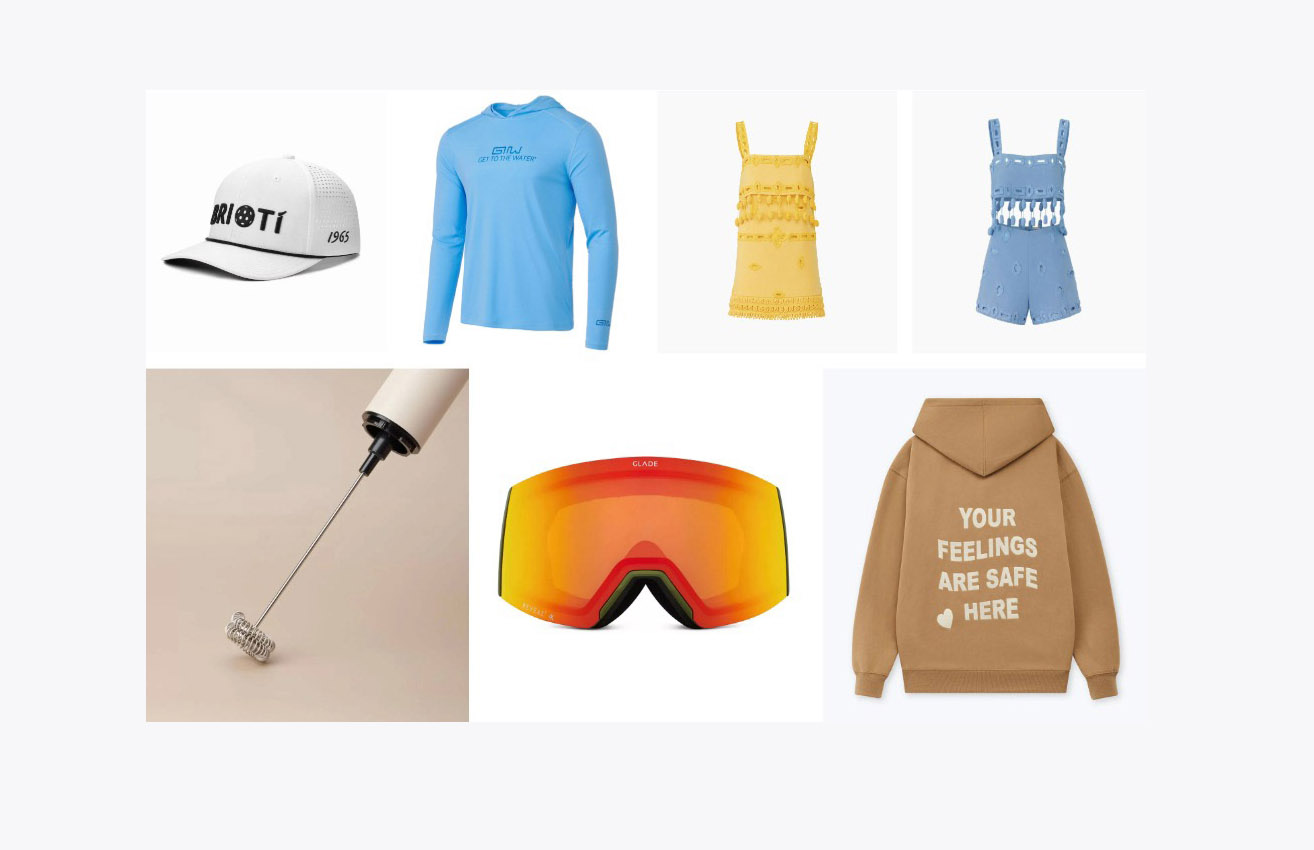
Choosing the Right Photography Option
Product Photographer (Freelancer)
A freelance product photographer can be a good starting point for small brands.
Pros
Pros
- Personal, one-on-one approach
- Can work for small collections and simple products
- Limited equipment and styling tools
- Lighting often needs to be rebuilt for every shoot, affecting consistency
- Availability depends on one person
- Retouching is often outsourced and not product-focused
- Large volumes take longer
- Limited mannequin forms and fit options
- Setup time makes small orders inefficient
In-House Photographer
Some brands consider hiring an in-house photographer to reduce costs.
Pros
- Can help with internal content and social media
- Feels cost-effective at first glance
- Requires enough volume to fill most working days
- Often not cheaper once all costs are included
- Brands frequently underestimate real expenses
- studio space
- equipment and maintenance
- steaming and product prep (often a separate role)
- retouching
- benefits and overhead
A Friend with a Camera
This option is common for early-stage startups with very limited budgets.
It can work for lifestyle or Instagram content, but it’s not recommended for product photography. Inconsistent or unprofessional images directly affect sales, brand perception, and return rates.
Best for: Social media, behind-the-scenes, lifestyle content — not product listings.
Product Photography Studio (Best Choice for Most Brands)
A professional product photography studio is built specifically for products, not general photography.
Why studios work best
- Professional equipment and dedicated lighting setups
- Styling forms for different fits and product types
- Product-focused retouching
- Dedicated teams and organized workflows
- Consistency across collections and repeat orders
- Ability to handle volume and fast turnaround
How Shootify Approaches Product Photography
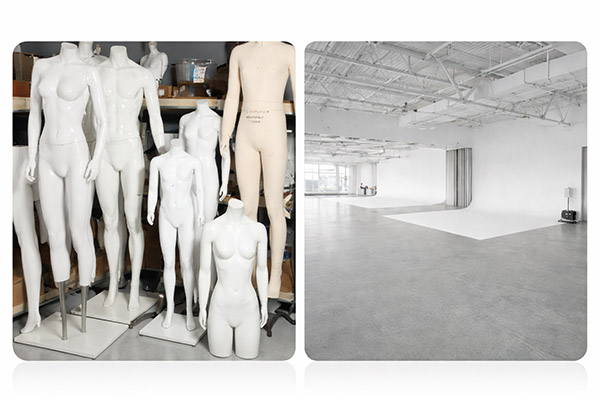
Strong e-commerce imagery requires more than good photos. It requires a clear process, consistent visuals, and an understanding of how buyers make decisions online.
Shootify was built from real experience — combining strong, tasteful product visuals with a process that makes life easier for online sellers. Every image is created to fit the brand, meet technical requirements, and help customers feel confident buying.
The focus is simple: images that look right, stay consistent, and support sales.
Why Brands Choose Shootify
Shootify is built specifically for e-commerce brands and online sellers.
Key highlights
- Personal approach for each project
- All in one place: photography, video, 3D, and AI
- Fast turnaround
- No minimum order
- High, consistent quality standards
- Fixed pricing with volume discounts
- Flexible options for automated or simplified shoots
- Built for e-commerce workflows, not editorial shoots
Choosing the Right Image Style
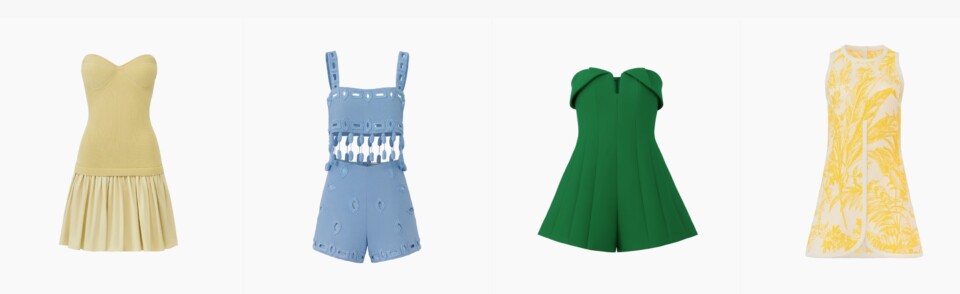
Best practices for apparel
- Flat lay: T-shirts, hoodies, denim, folded dress shirts
- Ghost mannequin: Dresses, coats, jackets, structured shirts
- On-model: Best for showing fit and movement
- 1 ghost mannequin image
- 1 flat lay image
- 3 on-model images (front, side, back)
- Add a back view for items with key details
- Include detail shots for fabric, zippers, or finishes
Using AI in Product Photography
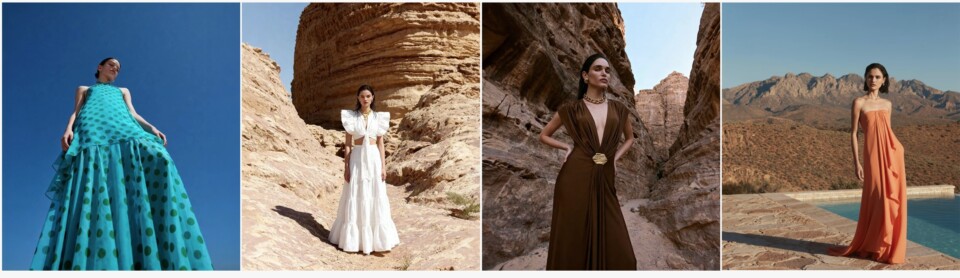
AI works best when combined with real product photography.
At Shootify, products are always photographed first. AI is then used for:
- on-model imagery
- lifestyle scenes
- campaign visuals
- advertising and campaigns
- small collections
- budget or location limitations
Retouching Matters
Professional retouching ensures:
- accurate color
- clean edges
- visible fabric detail
- consistent presentation
Quick FAQ: How to Get Product Photos That Sell (Without Overpaying)
1. What kind of product photos help sell better online?
Photos that clearly explain the product and match the brand.
The most effective images:
- show accurate color and fit
- look consistent across all products
- help buyers quickly understand what they’re buying
2. How can I save money on product photography?
Savings come from planning and process, not lower quality.
You can save by:
- shooting multiple products together
- using the same studio for repeat orders
- applying for volume discounts or membership programs
- choosing simpler options for basic products
3. When should I invest more in product photos?
When images strongly influence buying decisions.
This usually applies to:
- fashion and beauty products
- competitive online markets
- new brand or collection launches
Final Advice
Product photography isn’t just content — it’s part of your sales and branding strategy.
The right images help customers buy with confidence.
The right process helps you move faster and spend smarter.
If you plan ahead and choose a setup built for e-commerce, you can get strong visuals without wasting budget.