
Product Photographer 2026: The New Standard for E-Commerce Images
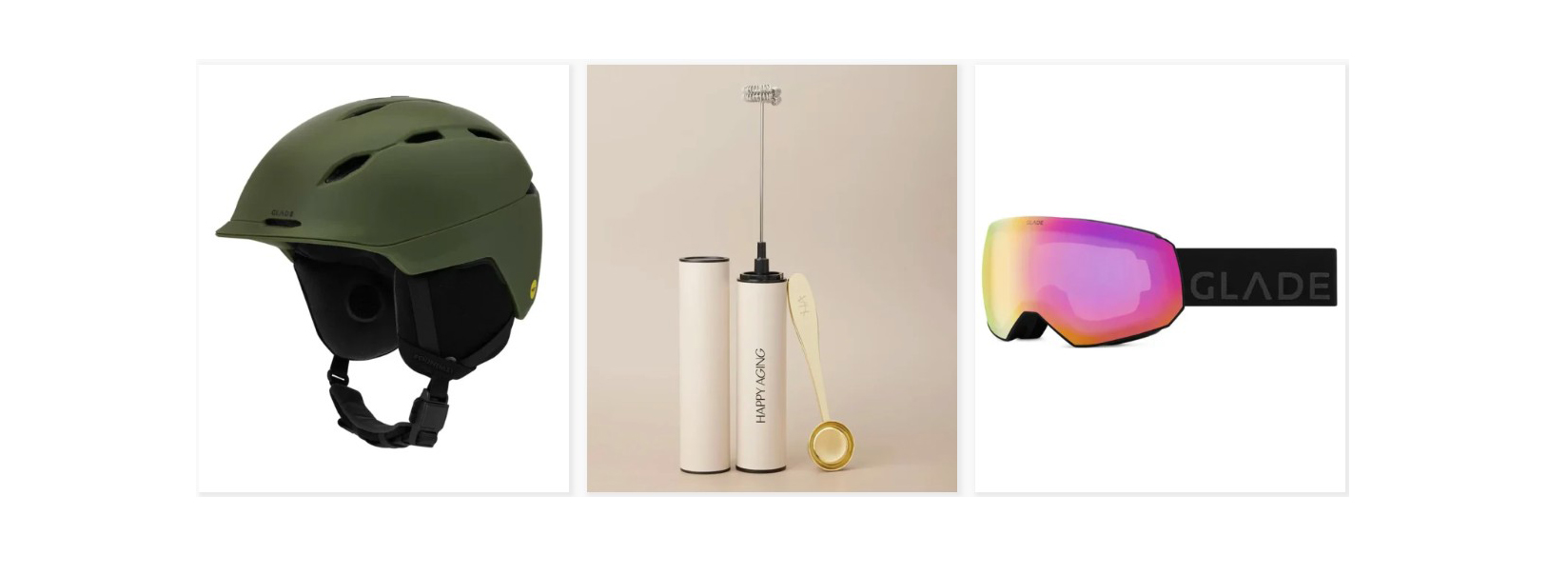
Every image should present the product in its best light: true to its color, with clear texture and shape, and showcasing all features. High-quality, accurate visuals aren’t just for show – they build trust and prevent disappointment. For example, in fashion e-commerce, poor product representation is a major cause of return rates approaching 50%. The 2026 standard demands that online shoppers instantly understand what a product looks and feels like through images, reducing surprises and returns.
Equally important is consistency across all product images. Brands now treat photography style as part of their identity. A unified look—consistent lighting, backgrounds, angles, and editing—makes products recognizable at a glance. Whether you’re a fashion label, an Amazon seller, or a Shopify store owner, a cohesive visual style helps customers remember and trust your brand. Every product image should do both jobs: accurately inform the customer and reinforce your brand’s image.
Consistency and Brand Identity in E-Commerce Photography
Brand-aligned consistency has become non-negotiable in 2026. Companies create style guides for imagery just as they do for logos or tone of voice. That means using the same backgrounds, lighting setups, angles, and editing style across all products. The payoff is a polished, professional storefront where every image feels part of the same family. Such consistency not only looks attractive but also strengthens brand identity—shoppers quickly recognize a signature image style. Consistent color accuracy is especially critical; customers expect the item they receive to match the photo. Advanced studios achieve this through meticulous color calibration and uniform retouching processes.
Maintaining consistency can be challenging at scale, so many brands work with specialized studios. For example, some studios lock in specific lighting and camera settings for every shoot, ensuring new product images match previous ones. The result is lookbook-level uniformity even across hundreds of SKUs. Ultimately, a consistent, true-to-life presentation builds customer confidence—shoppers know they can rely on photos to accurately represent products, reducing hesitation and fostering loyalty.
Multiple Perspectives and Context: Showing Products in the Best Light
A single photo rarely tells the whole story. E-commerce now demands multiple images that together give shoppers a 360° understanding of an item’s appearance, use, and scale. Key types of product imagery include:
- Clean Studio Shots (White Background): Crisp studio shots on a plain white background are the baseline for e-commerce (and even mandated as the main image on Amazon). These images should be well-lit, high-resolution, and true-to-color so customers can zoom in on details. A pure white backdrop ensures consistency and keeps focus on the product.
- Detail Close-Ups: Close-up shots of textures and materials are now standard alongside full product images. For example, a furniture listing might include a macro of wood grain, or clothing might show fabric weave. These detailed views let customers virtually “feel” the product and build trust by proving nothing is hidden.
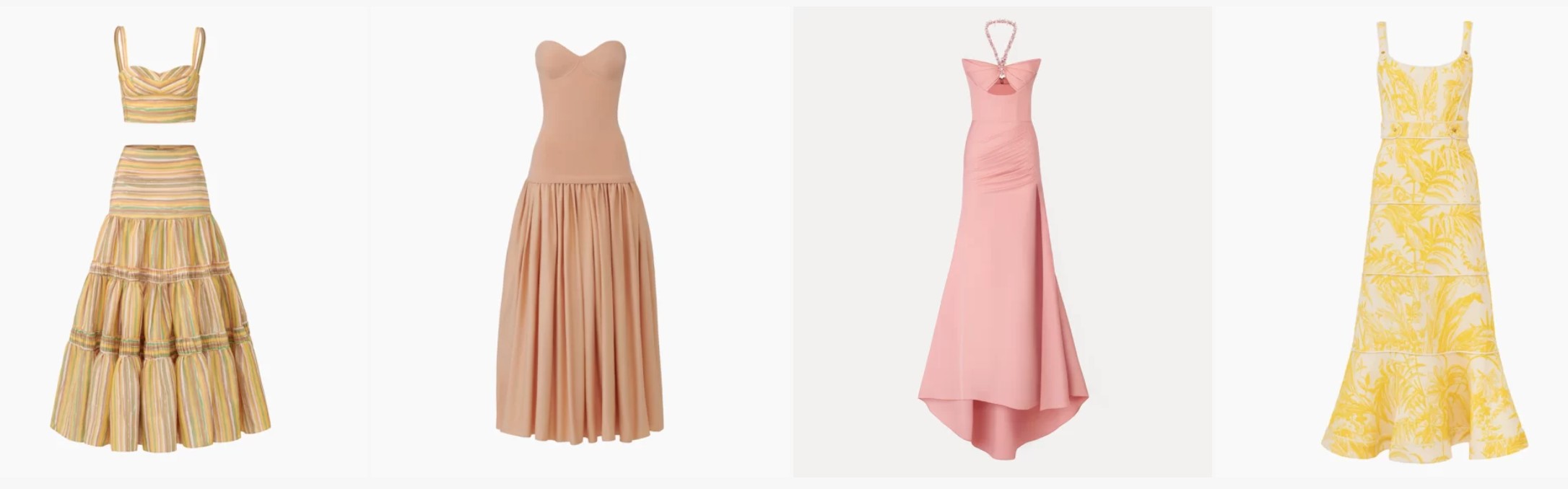
- Ghost Mannequin or Flat Lay (Apparel): Ghost mannequin photography (the “invisible mannequin” effect) remains popular for clothing. A garment is photographed on a mannequin and then the mannequin is edited out, yielding a lifelike 3D view of its fit and drape without a visible model. This provides a clean, consistent way to showcase apparel and helps shoppers visualize the fit. Flat lay (garments laid flat and shot from above) is another common technique, especially for simpler items. Many brands use ghost mannequins for a polished look and flat lays for a casual feel, but both methods show a product’s shape and details without distraction.
- On-Model Lifestyle Images: To add real-world context, on-model images have become crucial. Showing a product on a person (in a real setting) gives a sense of scale and usage that studio shots can’t. For example, a handbag on a model shows its true size when carried, and a dress on someone demonstrates its fit and movement. This humanizing, aspirational touch helps shoppers envision the product in their own lives. By 2026, consumers expect to see this element in product galleries.
- Size and Scale References: A product’s dimensions should be made clear so customers don’t have to guess. A common approach is to photograph the item next to familiar objects (a backpack beside a laptop, a lamp near a person) to convey scale. Providing these references sets proper expectations and helps prevent disappointment.
- Product Videos and 360° Views: Short product videos and 360° spins have become increasingly standard. They let shoppers see the item from every angle or in motion, revealing features static photos might miss (for example, the interior of a bag). This realism boosts engagement and confidence by essentially letting customers “try before they buy.” By 2026, including a quick demo video or 360° view has become an expected part of the product listing.
By combining all these perspectives, sellers can answer nearly every question through images alone — covering details like how a product looks up close, its exact color, its true size, and how it is used or worn. Delivering this rich visual information quickly is key to converting sales when the competition is only a swipe away.
Embracing Technology: AI-Enhanced Photography and New Tools in 2026
Perhaps the biggest change in product photography services by 2026 is the integration of artificial intelligence (AI) and other advanced imaging technologies into the workflow. What was experimental a few years ago is now a mainstream tool, bringing a new level of speed, flexibility, and creativity to creating product images.
One major innovation is using AI to create “lifestyle” images without a traditional photoshoot. Instead of staging a full studio shoot with models and sets, a brand can take one good product photo (say, a dress on a mannequin) and let AI generate a photorealistic image of a model wearing that product in a realistic scene. Brands can then adjust poses or swap backgrounds, creating a consistent pipeline of on-model and lifestyle content on demand.
The benefits of AI are huge. Cutting out live models, location rentals, and crews has reduced imaging costs by as much as 70%. This makes on-model imagery feasible even for small brands and allows big retailers to cover more products. Speed is the other game-changer: AI creates images in minutes instead of weeks. One studio reported cutting production time by 90%, so brands can release new product photos almost immediately — a critical edge when trends change quickly.
AI also brings unprecedented flexibility. It can put your product in virtually any environment without leaving the studio — from a mountaintop at sunrise to a chic living room. AI-generated models can simulate diverse body types, ethnicities, and ages, enabling inclusive representation without hiring an entire cast of models. And because it’s all digital, one product photo can yield many images. For example, a single dress could be shown on multiple virtual models in different settings — previously impossible or prohibitively expensive, but now easily done.
AI-generated images have become so photorealistic that consumers often can’t tell they’re AI. It’s no surprise mainstream brands are adopting this approach. One industry report noted that companies using AI imagery scaled their output tenfold without sacrificing quality.
Besides AI, 3D rendering and augmented reality (AR) are also becoming mainstream. Brands now create lifelike 3D models of products for use in images and AR apps. This is common for items like furniture and electronics. 3D models ensure perfect consistency across angles and even allow product images before a physical sample exists. AR features let customers visualize a product in their own space via a phone — for instance, seeing a virtual couch in their living room. These interactive visuals help bridge the gap between online and in-store experiences. Some fashion retailers already offer virtual try-ons with 3D avatars. By 2026, consumers are starting to expect these options, so many brands are adding them alongside traditional photos.
Even with high-tech tools, traditional photography fundamentals still apply. Whether an image is AI-generated or shot in-camera, it must be well-composed, well-lit, and focused on the product. High-quality base photos are needed to make the most of AI. As one AI-driven studio notes, they still begin by shooting the product from the right angles with proper lighting, then use AI to generate the model or scene around it. In short, AI is a powerful augmentation, not a replacement, for solid photography. Studios that blend classic techniques with AI give brands the best of both worlds: genuine product lighting and color plus the creative flexibility of AI scenes.

Platform Requirements: Amazon and Beyond (What’s Not Changing)
Despite all the innovation, some basics haven’t changed. If you sell on a major platform like Amazon, you still must follow strict image guidelines. In 2026, Amazon’s rules for the main product photo remain essentially the same: the product should fill roughly 85% of the frame, be on a pure white background, well-lit, and have no added text or graphics. No amount of creativity can override these rules for the primary image (though you can get more inventive with secondary shots). Experienced e-commerce photographers stay on top of each platform’s specs — like required image dimensions and content restrictions. Ignoring these guidelines can get a listing suppressed, so the “new standard” still includes checking those compliance boxes.
Meanwhile, platforms encourage richer visuals beyond the main image. Amazon allows multiple extra images and even videos per listing, and smart sellers fill those slots with lifestyle scenes, close-ups, size comparisons, and so on. The main image stays a plain product-on-white, but the secondary images can be more creative and informative. Amazon has even introduced features like 360° viewing and AR for some categories, so providing those formats can give a seller an edge. On your own website, you have much more freedom to showcase your style. Even there, however, it’s wise to follow the proven best practices from the big platforms: use high-resolution images, optimize for fast loading, and include proper tags (like alt text for accessibility and SEO).
One thing that hasn’t changed is the need for professionalism and polish. Blurry, low-quality images or inconsistent styling are just as unacceptable in 2026 as ever — arguably more so, since customers now expect polished visuals from every brand. Fortunately, with excellent cameras (even smartphones) and easy editing tools available, even small sellers can achieve pro-quality images. There’s really no excuse for poor imagery when competitors are using every tool to make their products look great. Experts stress that every decision in product photography should drive conversion by providing clarity, accuracy, and appeal — not just looking pretty. That mindset remains at the core of 2026 standards.
Conclusion: Blending Creativity with Consistency for 2026
In summary, 2026 product photography demands a blend of timeless basics and cutting-edge tools. You still need to nail the fundamentals — accurate color, sharp details, multiple angles, and consistent style — but now you can also leverage AI and interactive 3D/AR to enhance your visuals and work faster.
For fashion brands, this might mean complementing traditional model shoots with AI-generated imagery to show every style variation. Marketplace sellers (like on Amazon) must follow strict main-image rules but can add lifestyle photos and even a demo video to differentiate their listings. Independent store owners can craft a branded visual experience on their sites with consistent imagery and thorough product detail shots. In all cases, the goal is the same: let customers virtually experience the product as much as possible — because that builds confidence and drives conversions.
Despite all the new tech, the photographer’s eye and creative vision remain irreplaceable. Technology amplifies creativity; it doesn’t replace it. Planning shots, styling, and knowing what customers want to see are still critical. AI might generate a model or background, but people decide the story it tells.
Ultimately, product imagery is worth the investment. Your product photos are your online storefront window — and in 2026 they’re also your salespeople and brand ambassadors. By meeting the new standards of quality, consistency, context, and innovation, you ensure that in those few seconds of a shopper’s attention, your product grabs interest and earns trust. In the fast-scroll world of e-commerce, that is the formula for success.