
How to Choose a Product Photography Service in 2026
Know what you need before you reach out, work with a studio that shoots from your references and tests before it shoots everything, and pick one that specializes in your type of product.
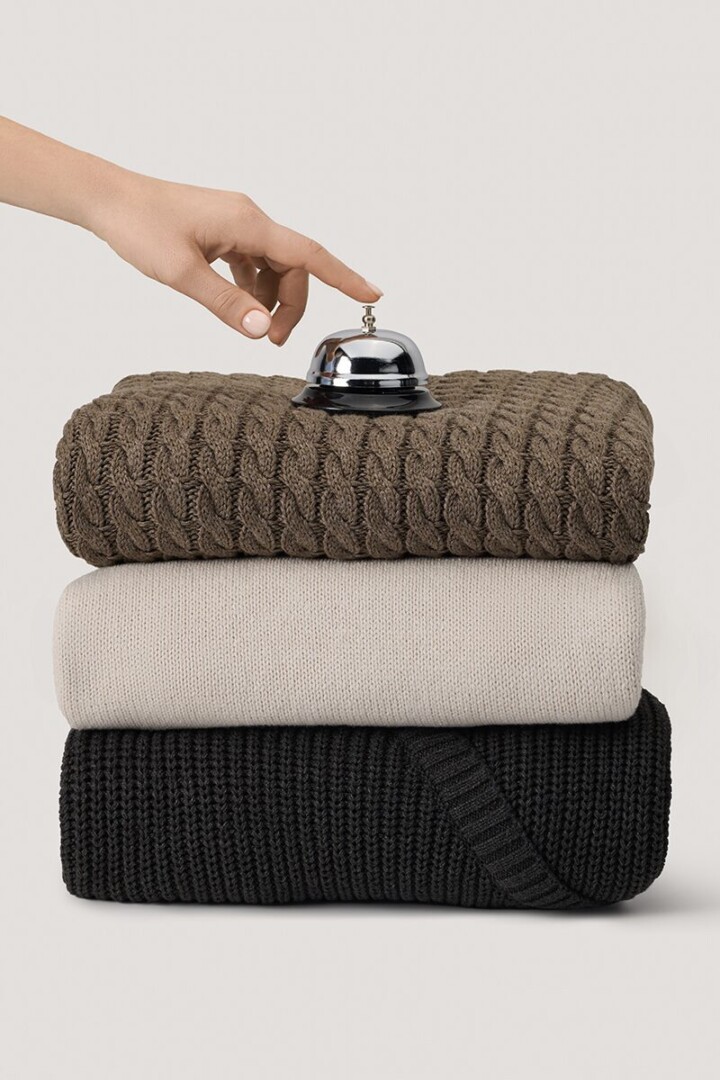
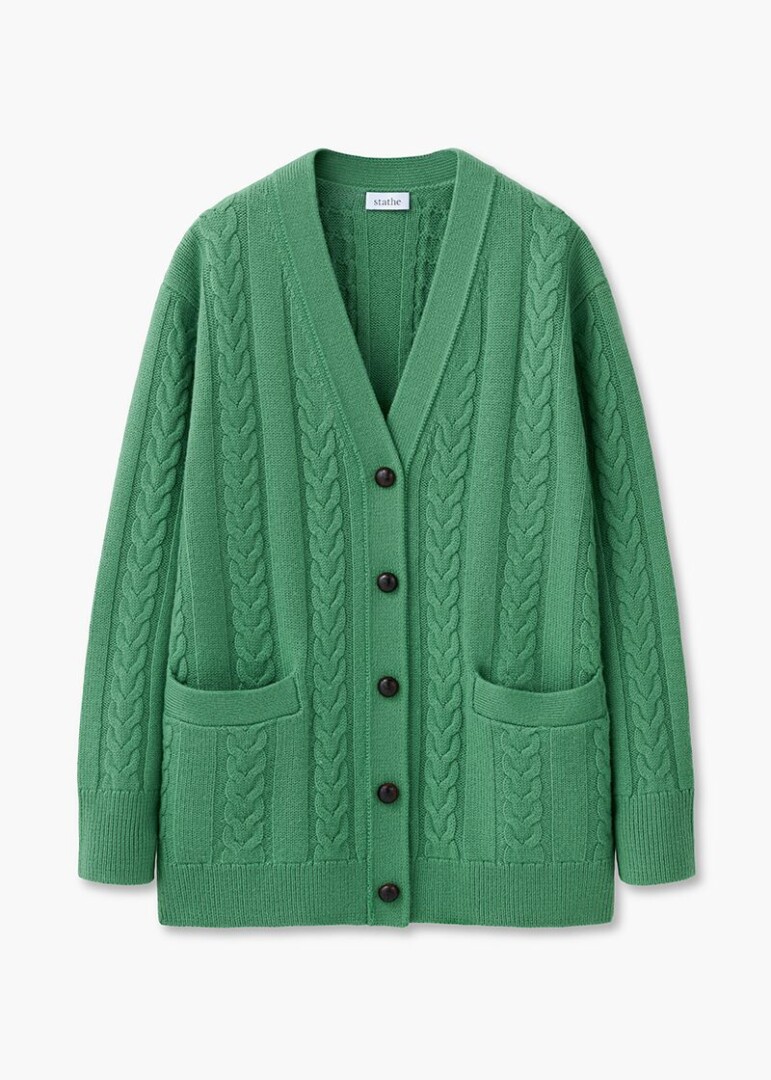
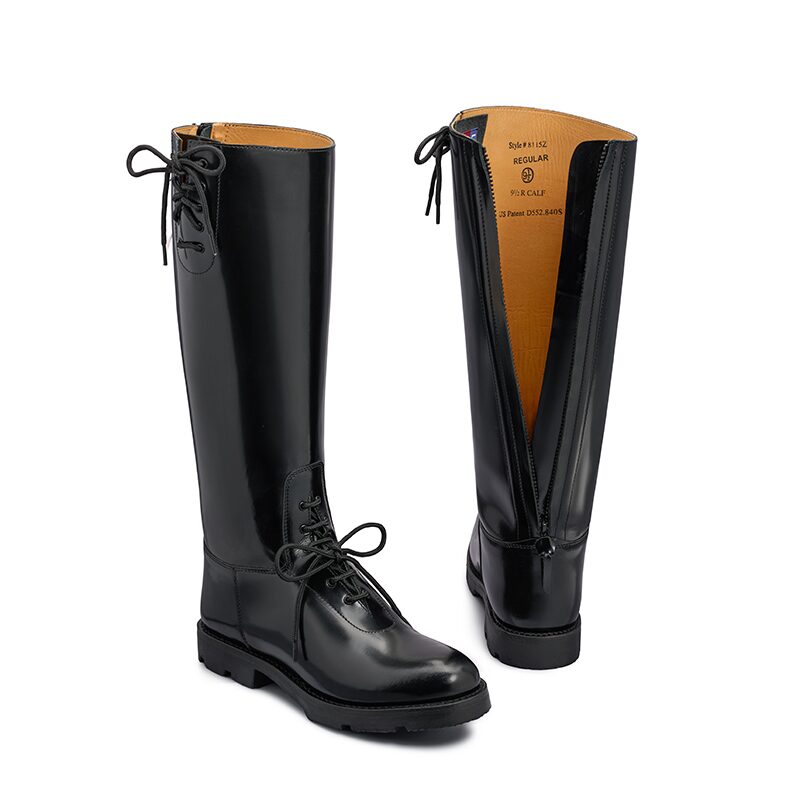
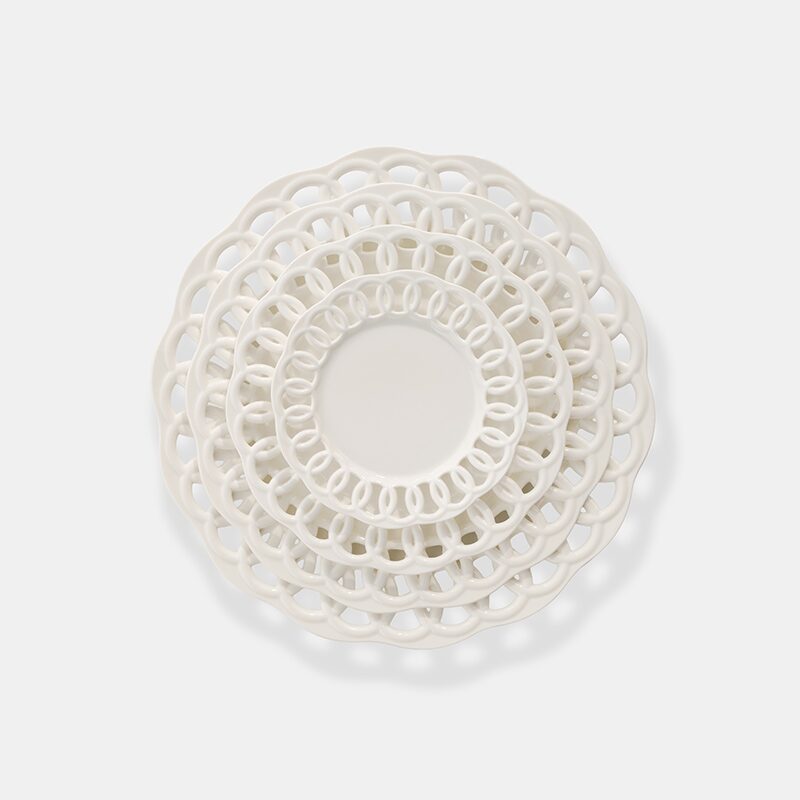
Great product photos can make the difference between a scroll and a sale. The right studio makes that easy, and the wrong one can cost you weeks and a reshoot. After photographing thousands of products for ecommerce brands, here’s what we’ve learned about choosing well.
Start with four decisions
Before you contact any studio, get clear on these four things. They shape every quote you’ll receive.
1. How many products you have. Ten items and six hundred items are planned very differently, and many collections arrive in parts over several weeks.
2. Where the images will live. Your website, Amazon or other marketplaces, Instagram, print, web banners. Each needs different crops, backgrounds and file sizes, and some need video as well as photos.
3. Your budget. When a studio knows your budget up front, it can suggest the right mix: which pieces to shoot on a model, which as flat lays, and where AI can stretch the budget further.
4. Your brand’s look, and who it’s for. Who is your customer, and who should these images speak to? That answer sets the background, the styling and the mood.
The mistakes we see most often
Underestimating the work. For many brands this is their first ecommerce shoot, and it looks simpler than it is. Every product needs steaming, shaping, styling, lighting and retouching, one by one.
Settling for a photo that’s just “in focus.” A sharp image isn’t the same as the image you had in mind. That’s why we shoot from your references: you show us exactly what you want for your product, and you know what you’ll get before we start.
Forgetting that it’s a team effort. An on-model shoot needs a stylist, hair and makeup, and the right models. When a shoot feels “off,” there’s usually a missing piece of that team.
Choosing a studio that doesn’t specialize in your product. A sweater, a serum and a pair of sneakers each take different skills to photograph well. Without that experience, results are hit or miss.
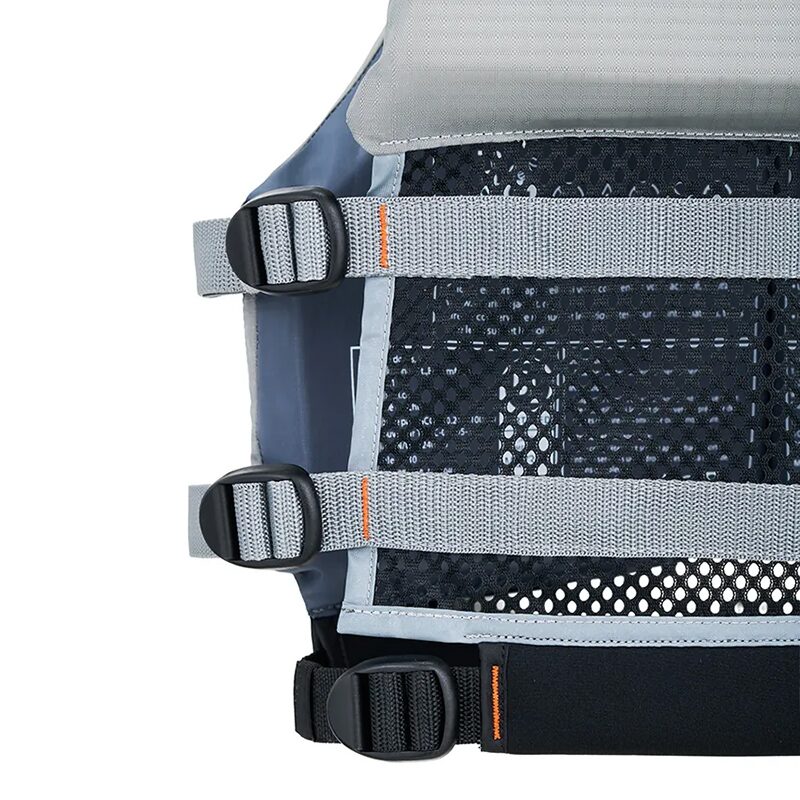
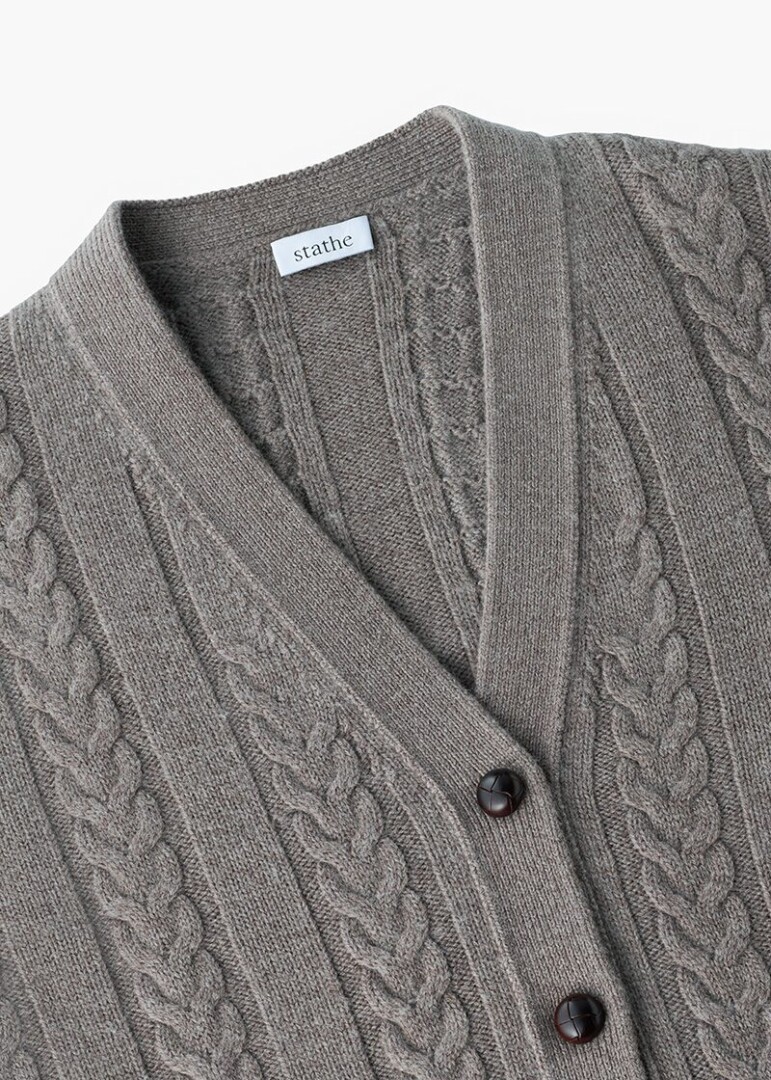
Questions to ask before you book
- Timing: When are you available, and how long from receiving my products to final files?
- Files: Can you name files to match my system? Which formats and sizes do you deliver, and what do extra formats cost?
- Creative direction: Can you help me if I’m not sure what I need yet?
- Testing: Will you shoot a few items first so I can approve the styling, lighting and shape before you shoot the rest?
- Other services: Do you also create product video, Instagram Reels and AI lifestyle images? Booking several services with one studio usually costs less, and everything stays in one place, in one process.
- Logistics: How do I ship my products, and how do I get them back?
- Casting (for on-model shoots): How do you choose models? Will you match them to my sample sizes, and can I approve them before the shoot?
- Ongoing work: Do you offer partnerships or monthly plans for brands that shoot every season?
We don’t offer free test shoots. Instead, when your order arrives, we shoot a few items first and confirm the styling, lighting and shaping with you. Once you approve, we shoot the full order. Prefer to start smaller? Send just a few items for a paid test.
Red flags to watch for
- They never ask for your references or a shot list. It’s just “send the products.”
- There’s no way to see and approve test images before they shoot everything.
- Their portfolio doesn’t include products like yours.
- The quote doesn’t spell out what’s included: steaming and styling, retouching, revisions, file sizes and naming.
- For on-model shoots, the quote doesn’t mention the team (stylist, hair and makeup, casting), or how you can follow the shoot remotely.
- There’s no clear turnaround time or schedule.
For on-model shoots, casting decides the result
Two things have to be right when a model is cast, and they’re easy to get wrong.
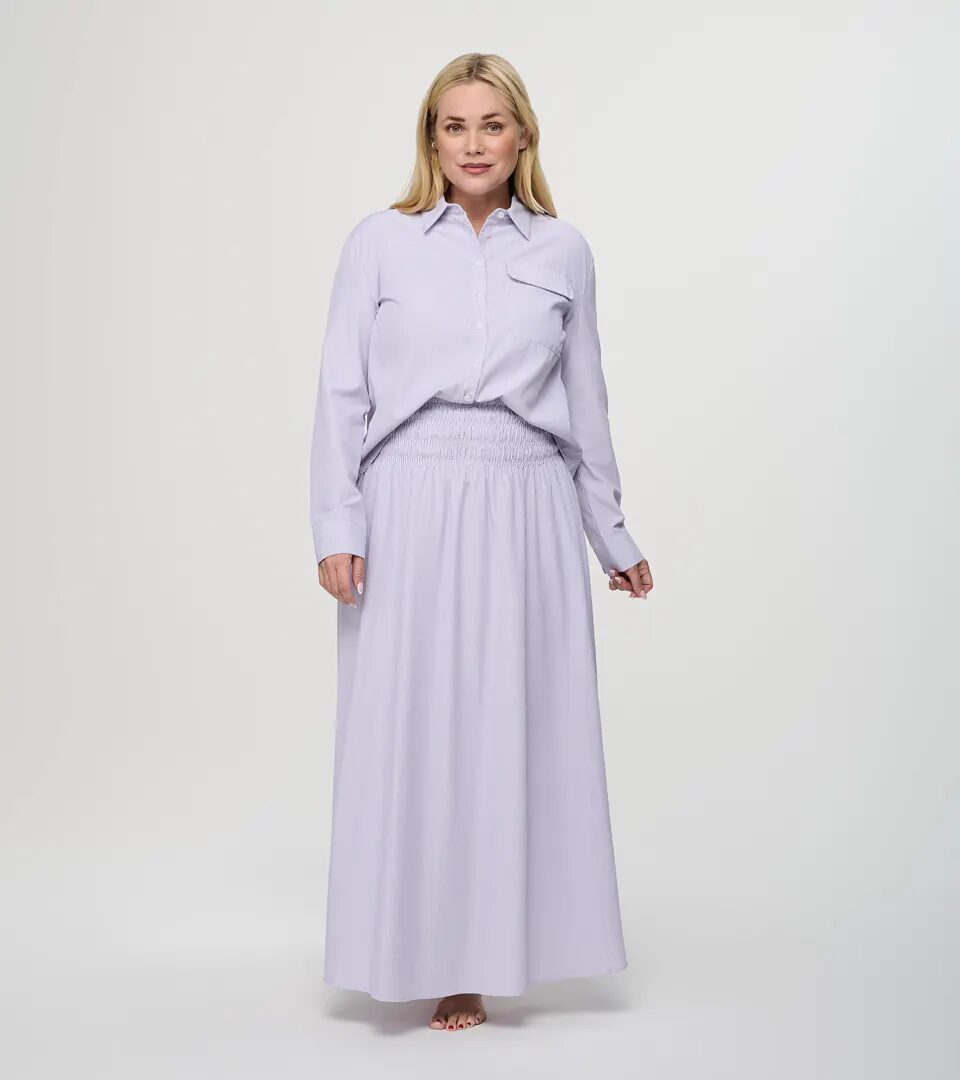
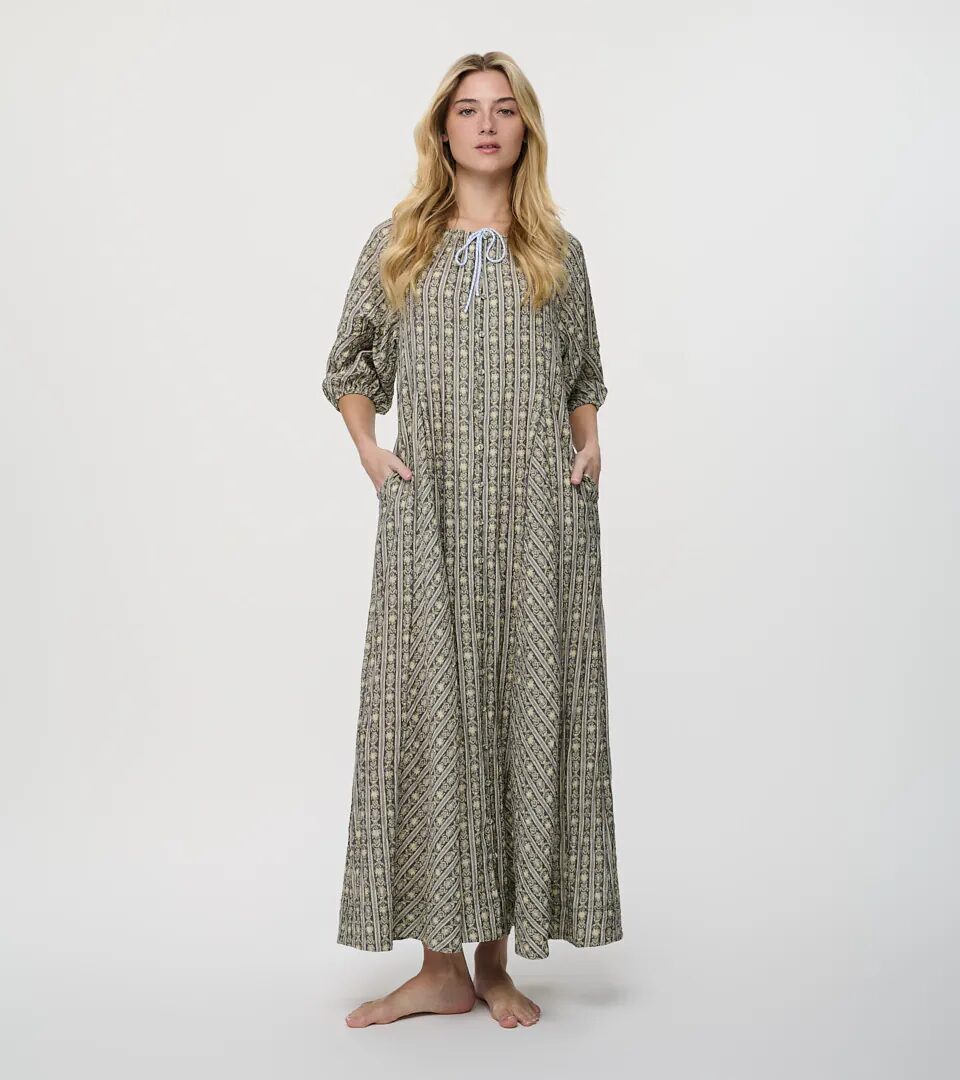
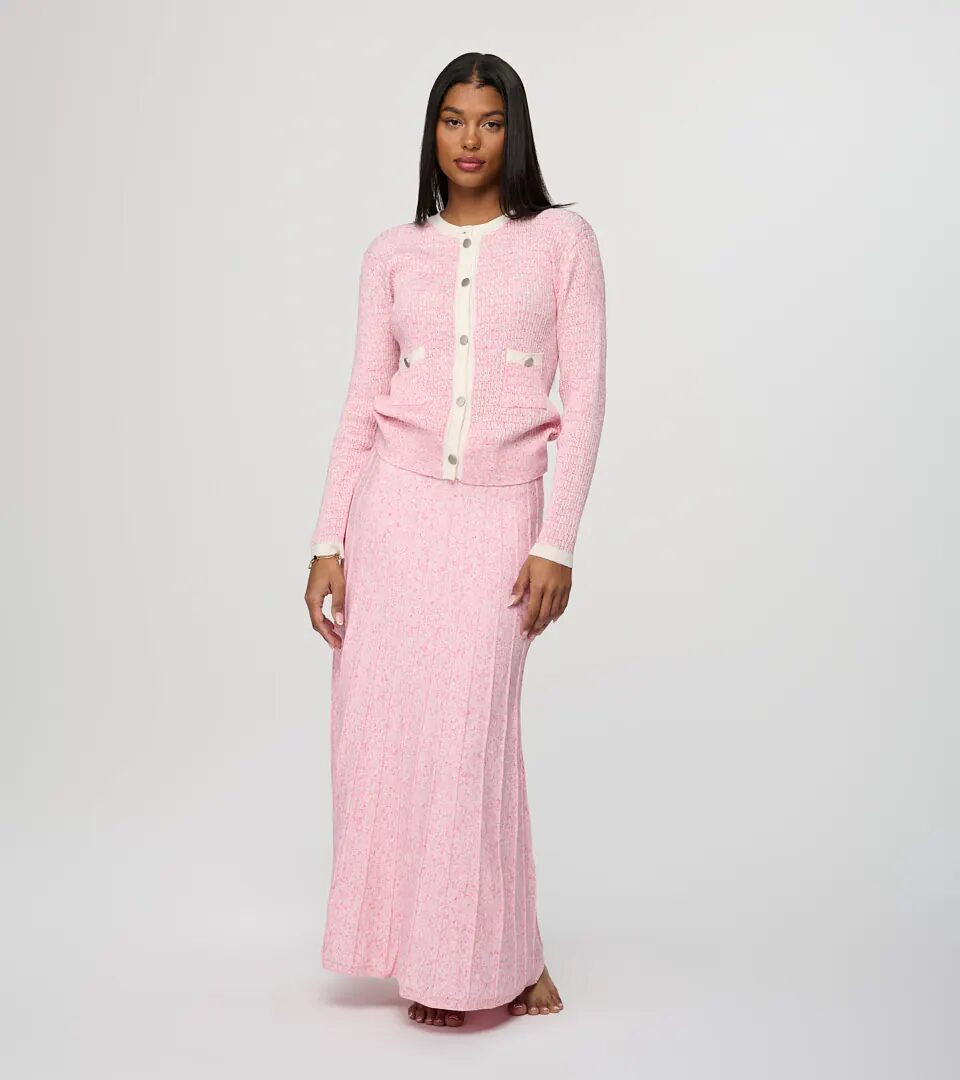
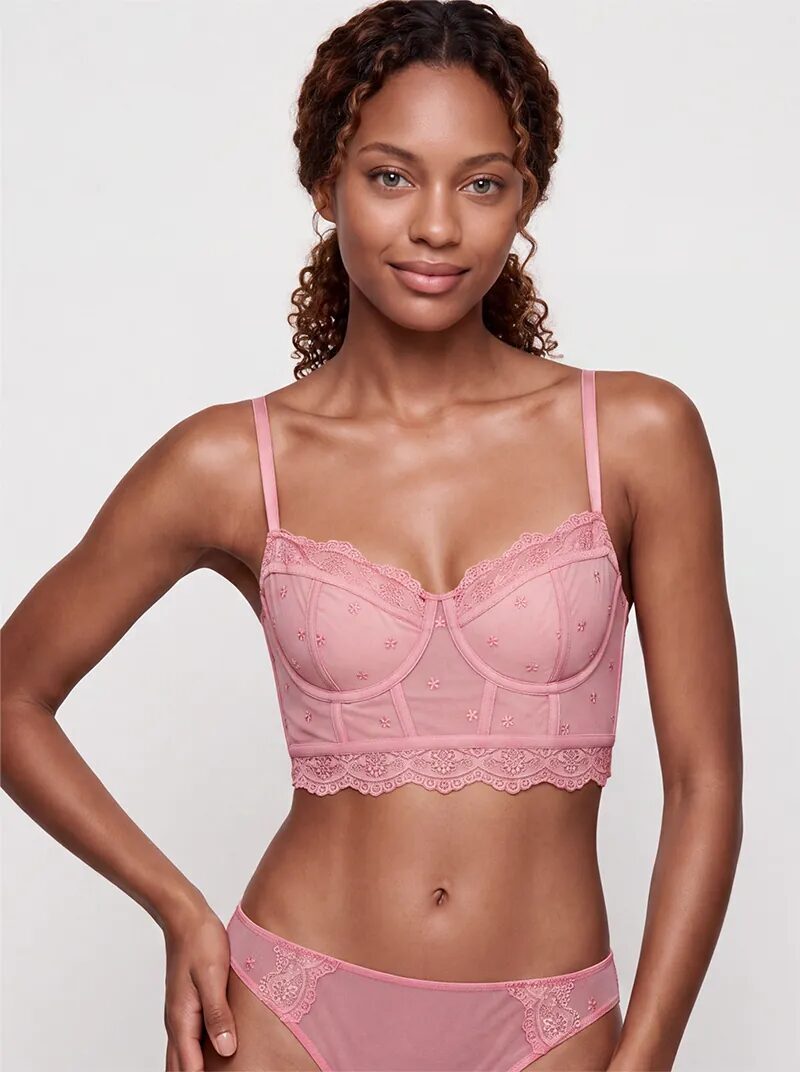
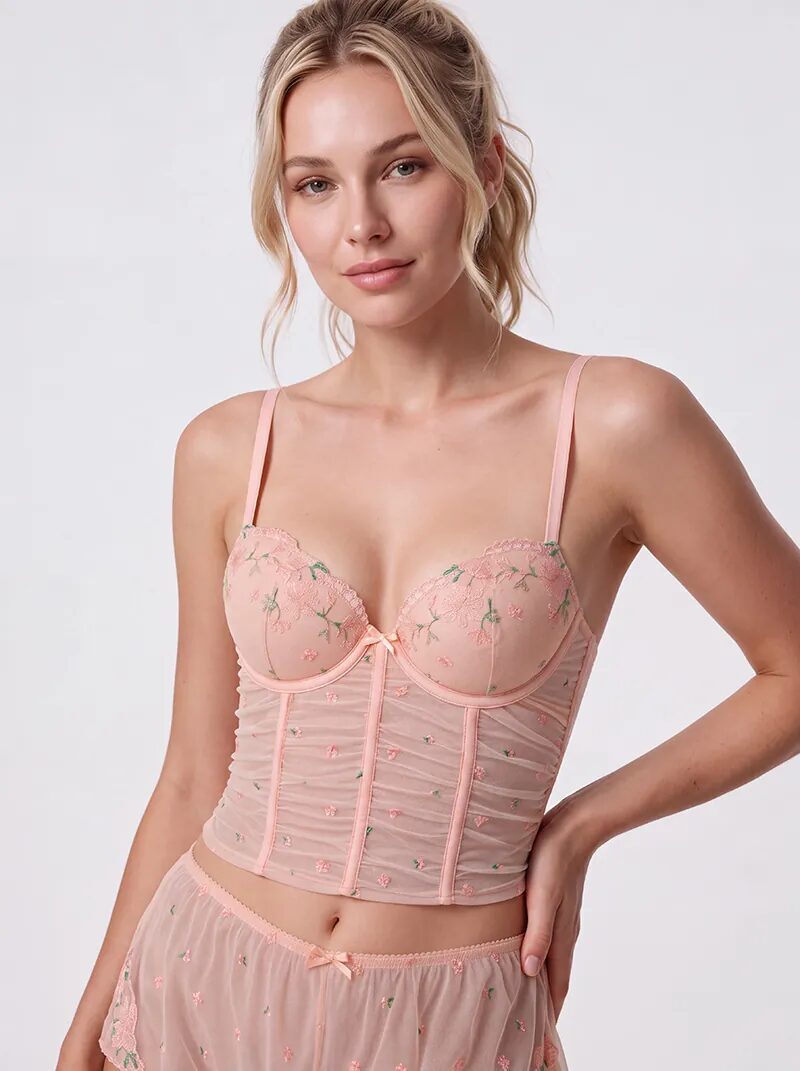
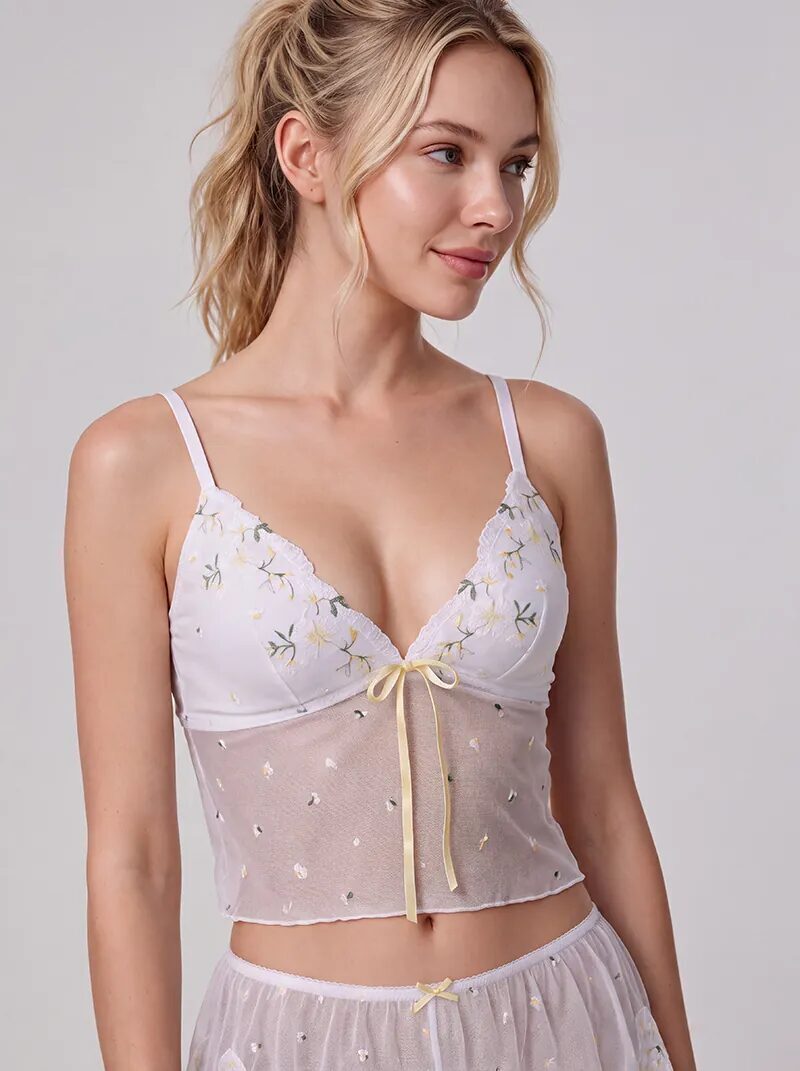
Who represents your brand. The model is the first impression of who wears your clothes. Age, look, energy and the way they move should match the customer you’re selling to. A modest fashion label, a youth soccer line and a men’s underwear brand each need a very different person in front of the camera. Casting for “a nice-looking model” instead of “our customer” is one of the quickest ways to make good clothes look wrong.
Fit. Your samples come in one size, and the model has to fit them exactly. A size-small sample on a size-medium model pulls at the seams; too loose, and the garment loses its shape and the customer can’t judge the cut. That’s why we ask for your sample sizes before casting and confirm the model’s measurements with the agency, not only their photos.
Send your sample sizes and a few references for the look you want, and you’ll get model options to approve before the shoot day.
Flat lay, ghost mannequin or on-model?
There’s no single right answer. It depends on the product and on your brand, and many brands use more than one technique.
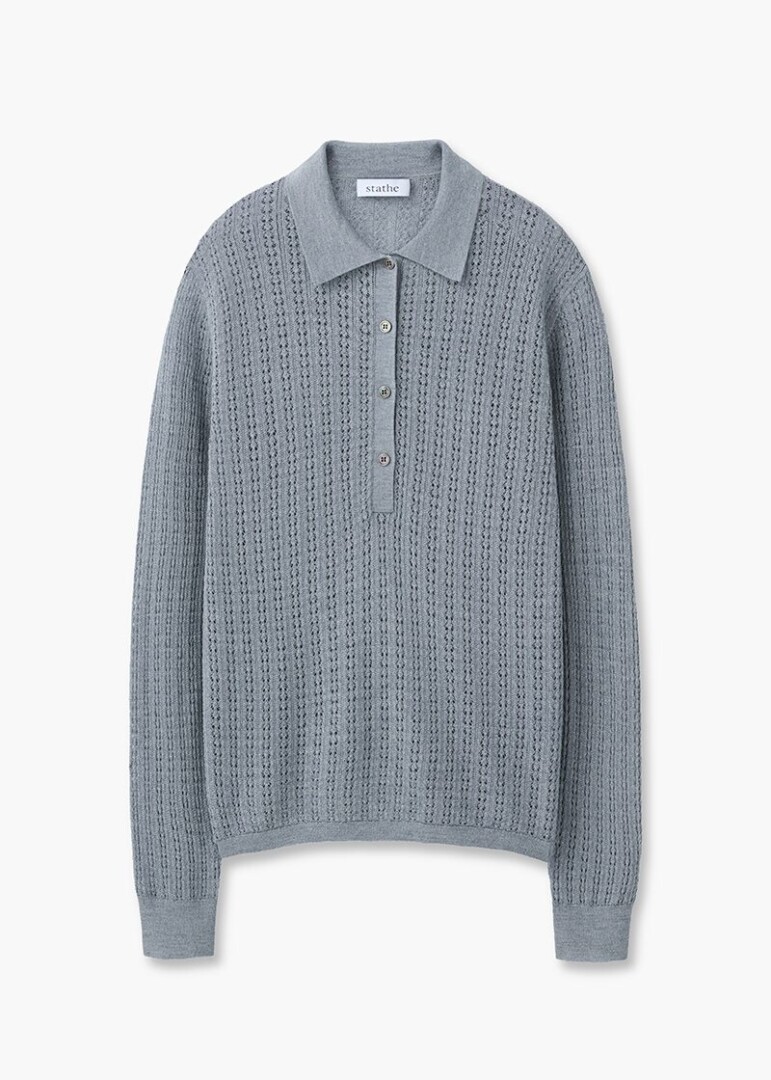
- Hoodies and sweatshirts usually look best as a tabletop flat lay or a softly shaped hanging flat lay.
- Fitted pieces such as leggings and activewear often shine on a ghost mannequin, which shows how they sit on a real body.
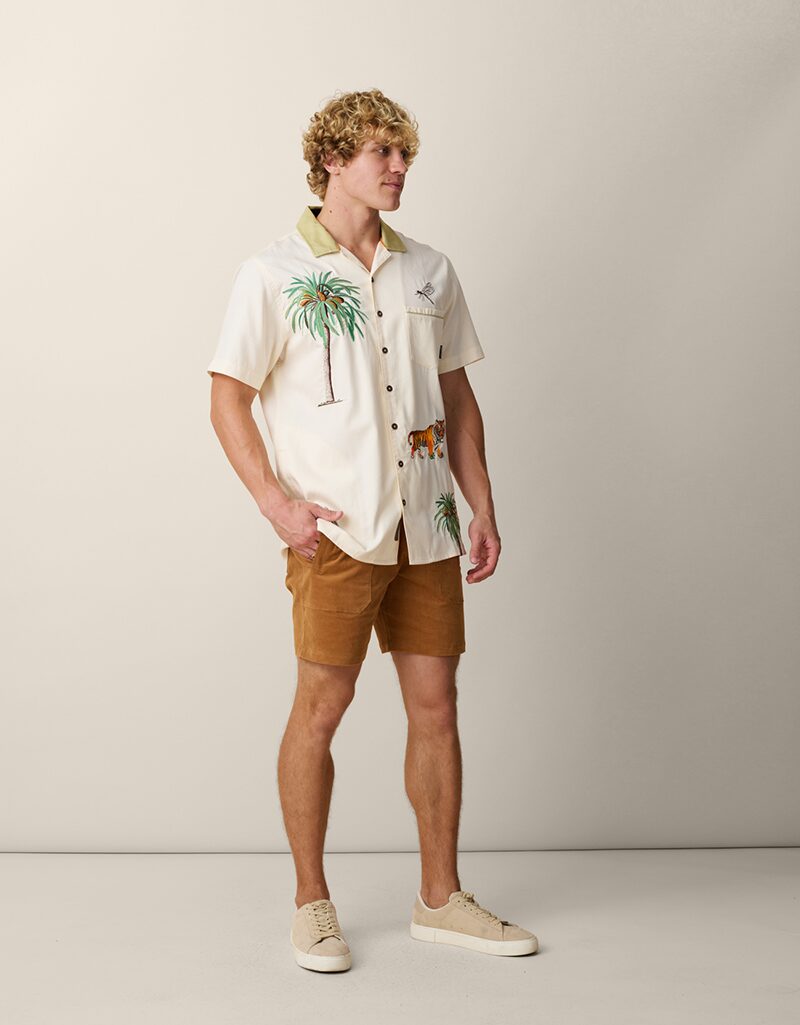
- On-model shows fit, drape and scale like nothing else, and it’s the strongest choice for full collections.
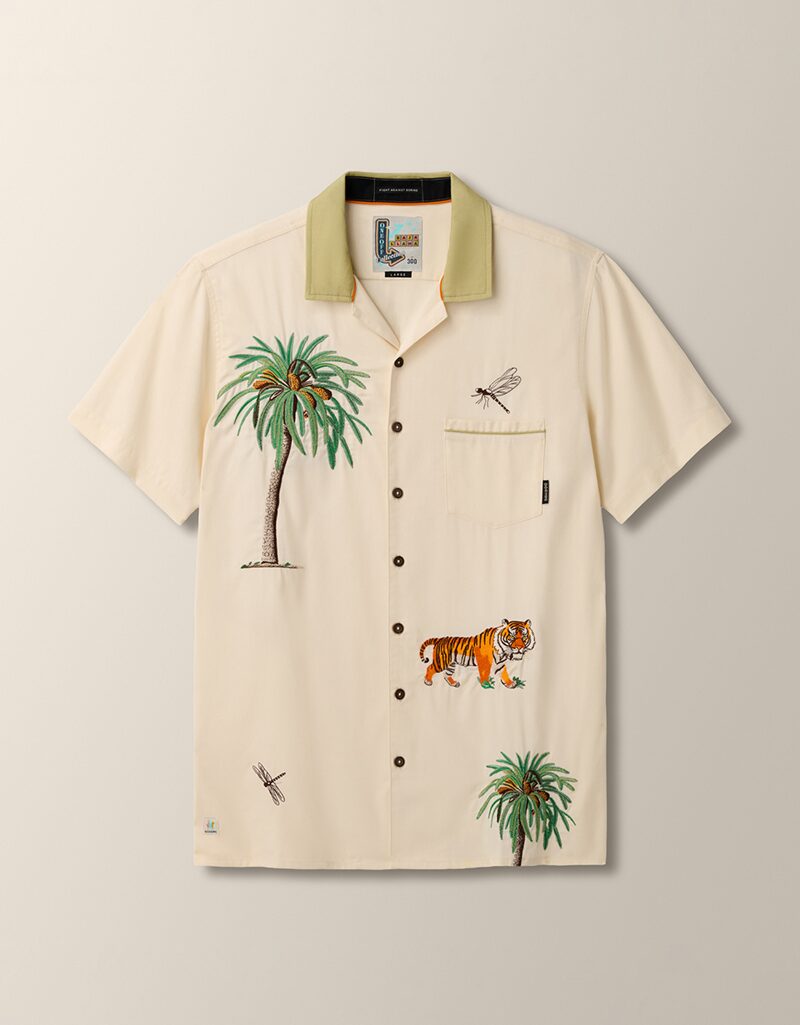
Not sure which to choose? We’ll show you examples from past shoots, or test your own product both ways. A women’s activewear brand recently couldn’t decide between flat lay and ghost mannequin, so we shot both. They loved how stylish the hanging flat lays looked, but ghost mannequin did a better job of showing how leggings and fitted pieces look on a real body. Many brands end up choosing product by product, whatever gives each piece its most sellable look.
What to send your studio
- A shot list: which angles, and how many images per product
- Reference images for lighting, angles, styling and background
- File requirements: format, size and file naming
- Styling notes: anything special about how each product should look
- Product details: closures, fabric, features that must be visible
- Clean, unworn products
Let the studio know when your products will arrive and share the tracking number, so your shoot can be scheduled right away.
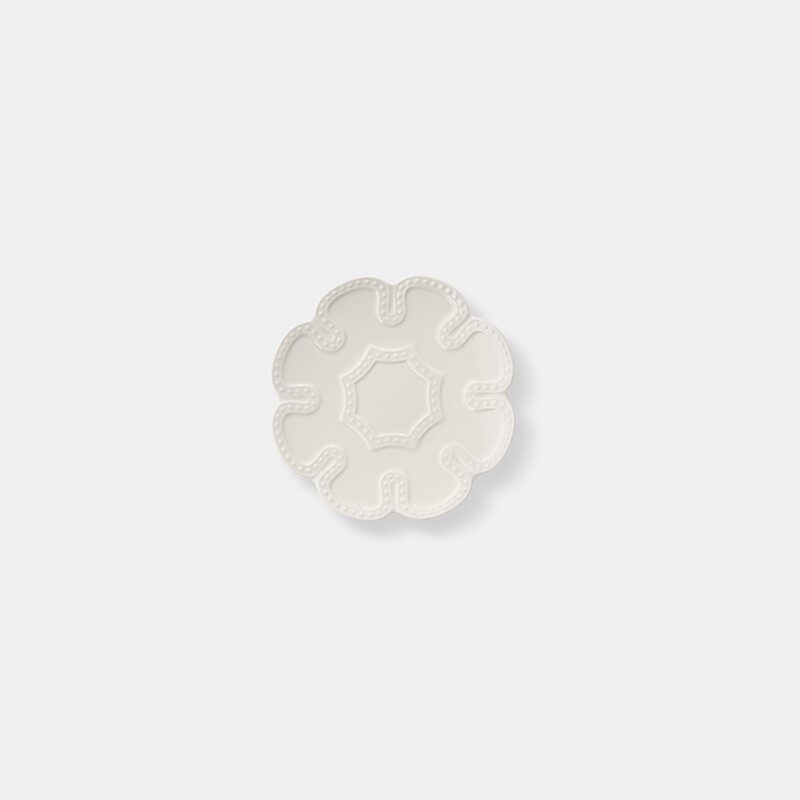
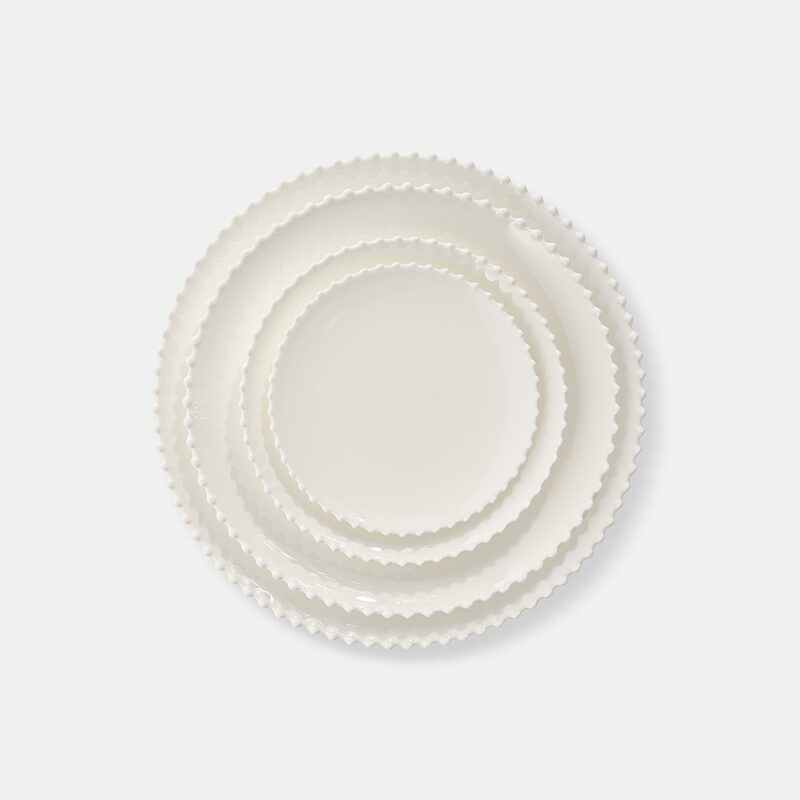
You don’t have to be at the shoot
For product-only shoots, clear direction is all we need, and we’re happy to help you put together the shot list and references. For on-model shoots, we share a live link: you see every image as it’s taken, comment in real time and direct the shoot from wherever you are.
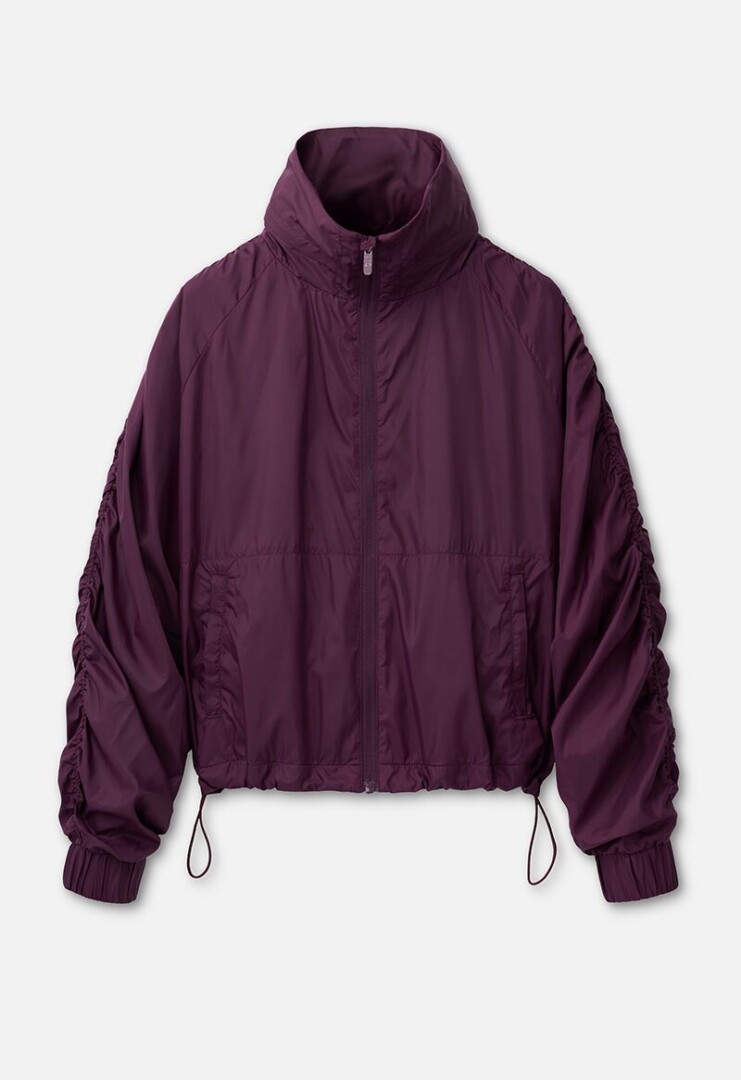
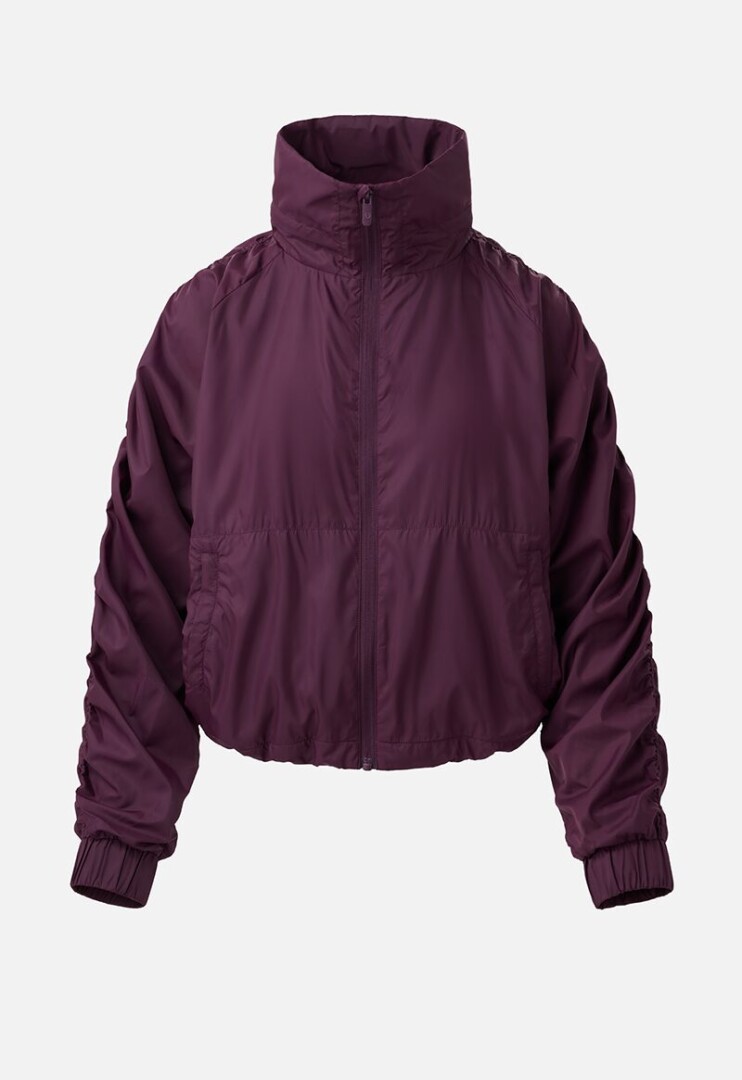
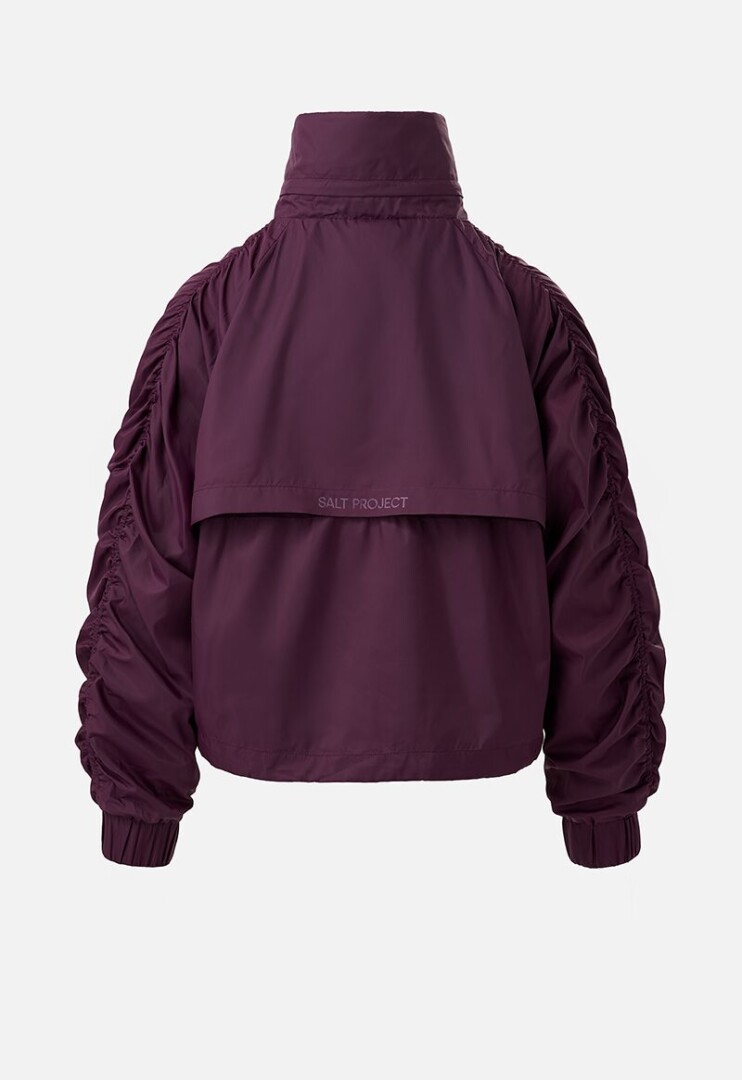
When AI images make sense, and when they don’t
AI is a powerful way to stretch a budget. It works best built on real product photography, not as a replacement for it.
Where AI works well:
- Small collections of 3–5 pieces, where a half-day model shoot is hard to justify
- Outdoor and location looks on a limited budget. AI can place your product anywhere.
- Amazon lifestyle images. We photograph your real product, then place it in a realistic setting.
Where a real model is better: full clothing collections of 40–50 pieces that need several angles. Real photos mean fewer surprises with fit and print.
Our rule of thumb: always photograph the real product first. Then use AI to build lifestyle scenes, or turn the photos into video.
What’s changing in 2026
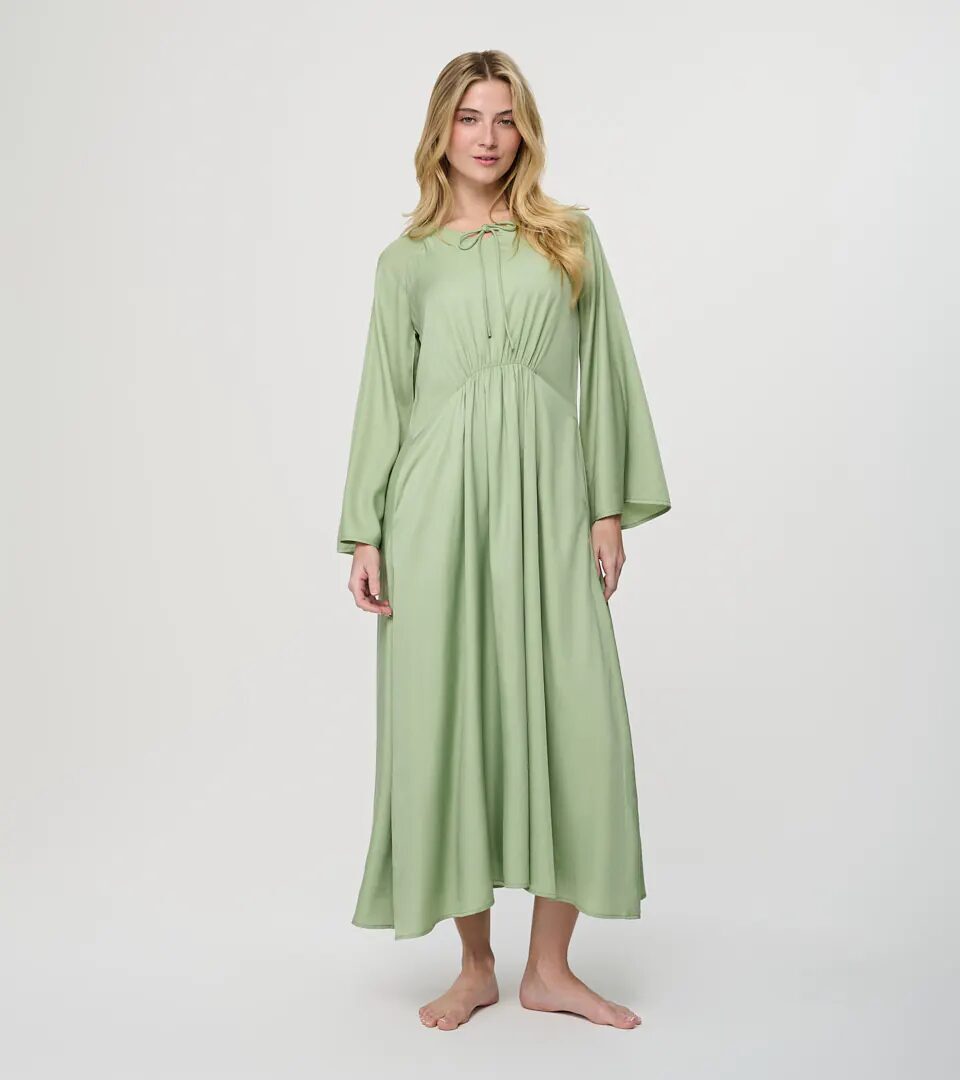
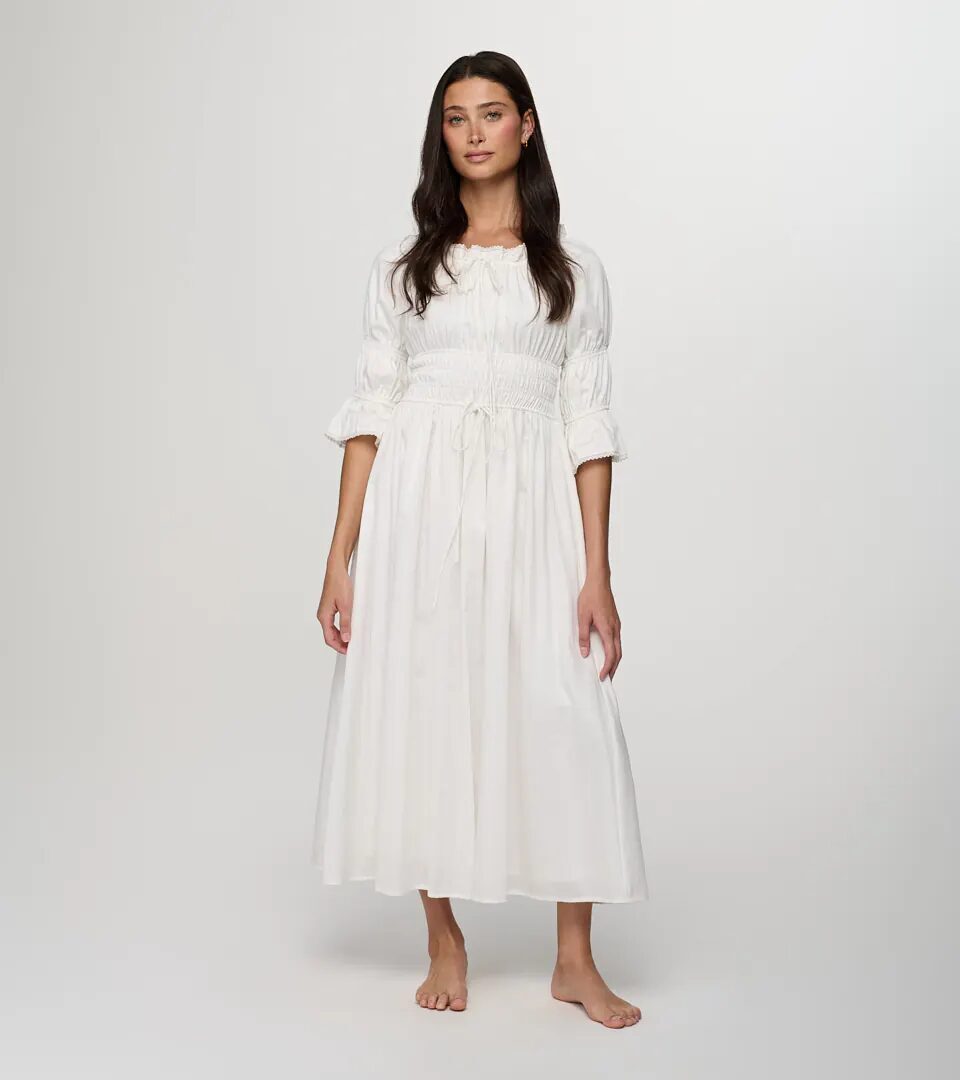
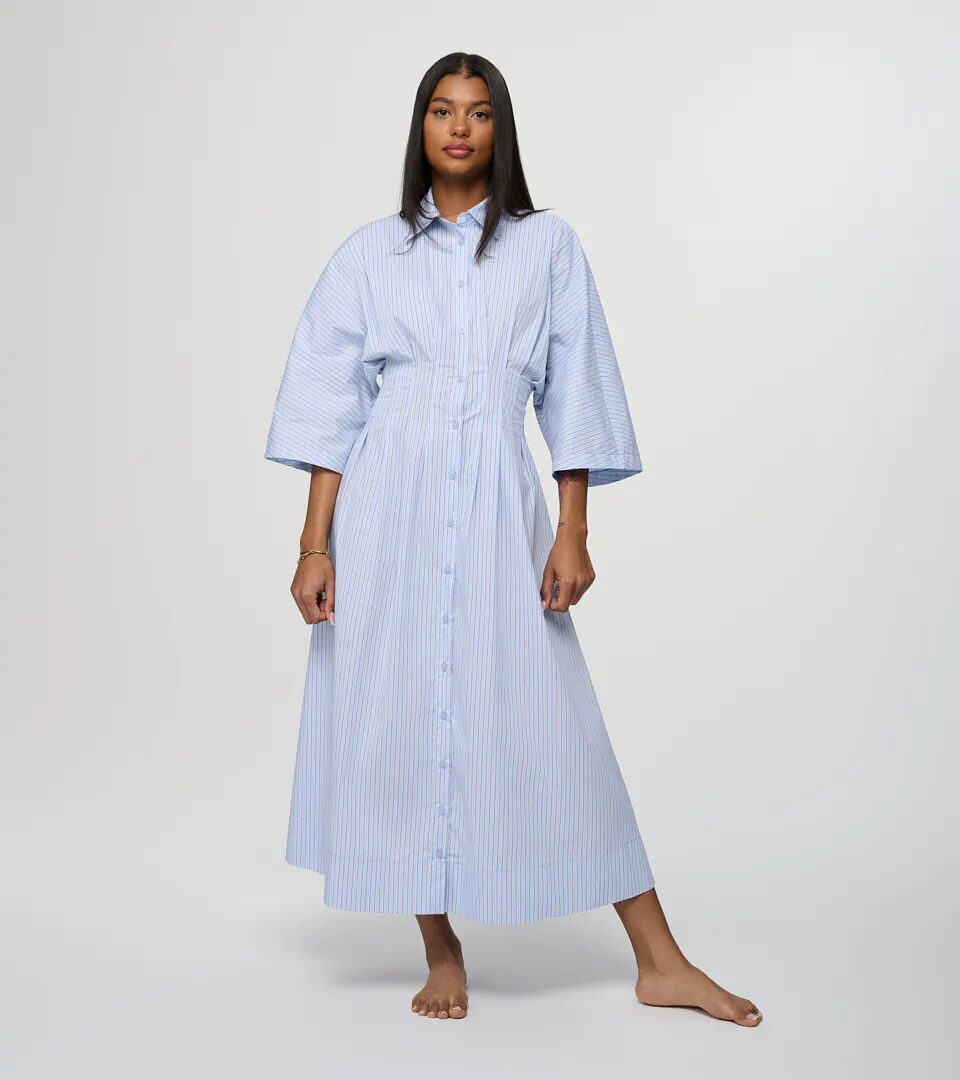
- Off-white backgrounds with a soft, natural shadow are replacing pure, shadowless white on brand websites. They pair better with video. (Amazon’s main image still has to be pure white.)
- More content for social media: short videos and Instagram Reels alongside the product grid.
- More AI, used for lifestyle scenes and backgrounds on top of real product photos.
How pricing works: per image or per day
- Product photos are priced per image. It’s the fairest approach when an order can be 10 products or 600, and when collections arrive in batches. At Shootify, product photos start at $26 per image, with lower rates as volume grows.
- On-model shoots are priced by the half day or full day, because that’s how agency models are booked. Our half day covers up to 25 pieces and our full day up to 50. Model fees and hair and makeup are quoted separately.
See every rate on our product photography pricing page. There’s no minimum order.
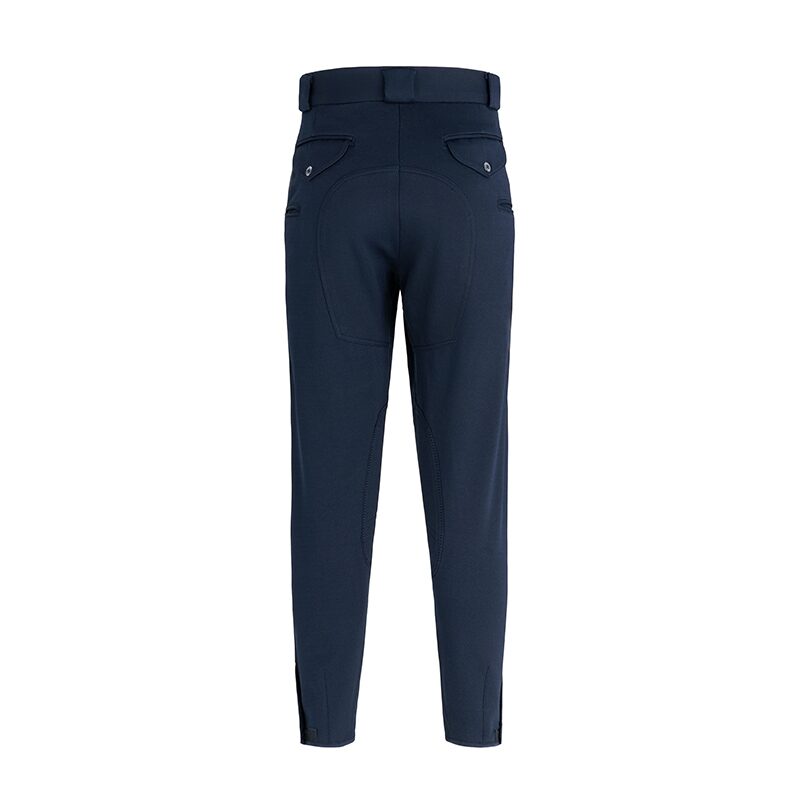
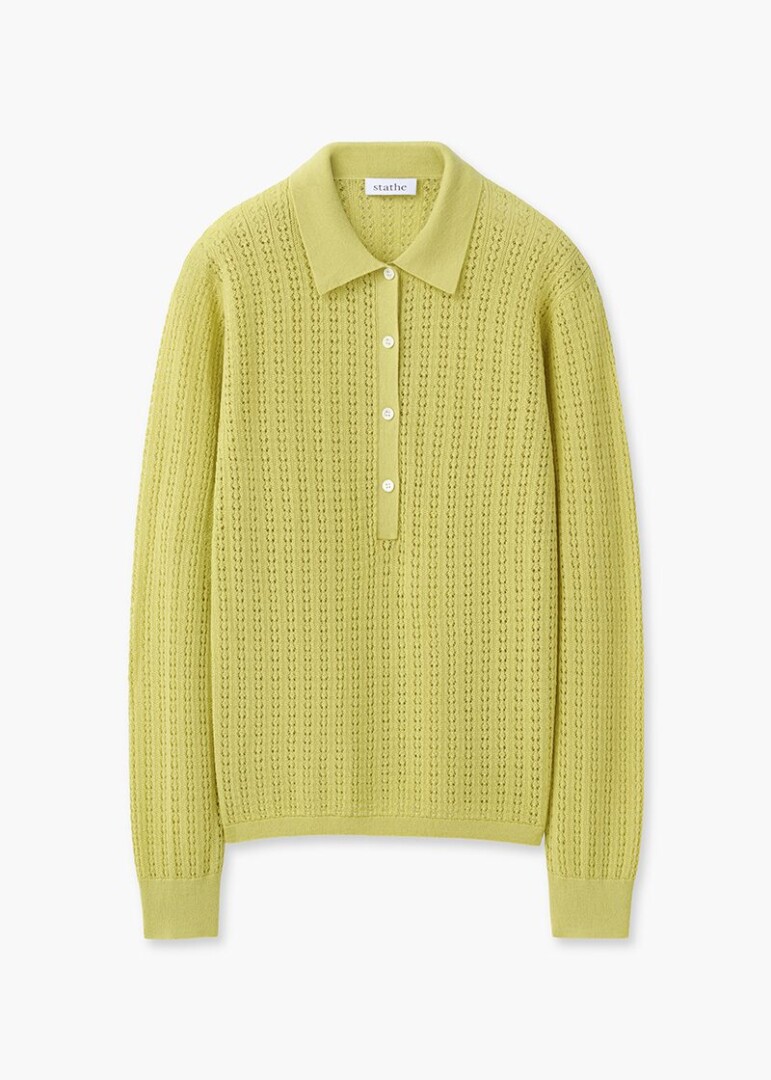
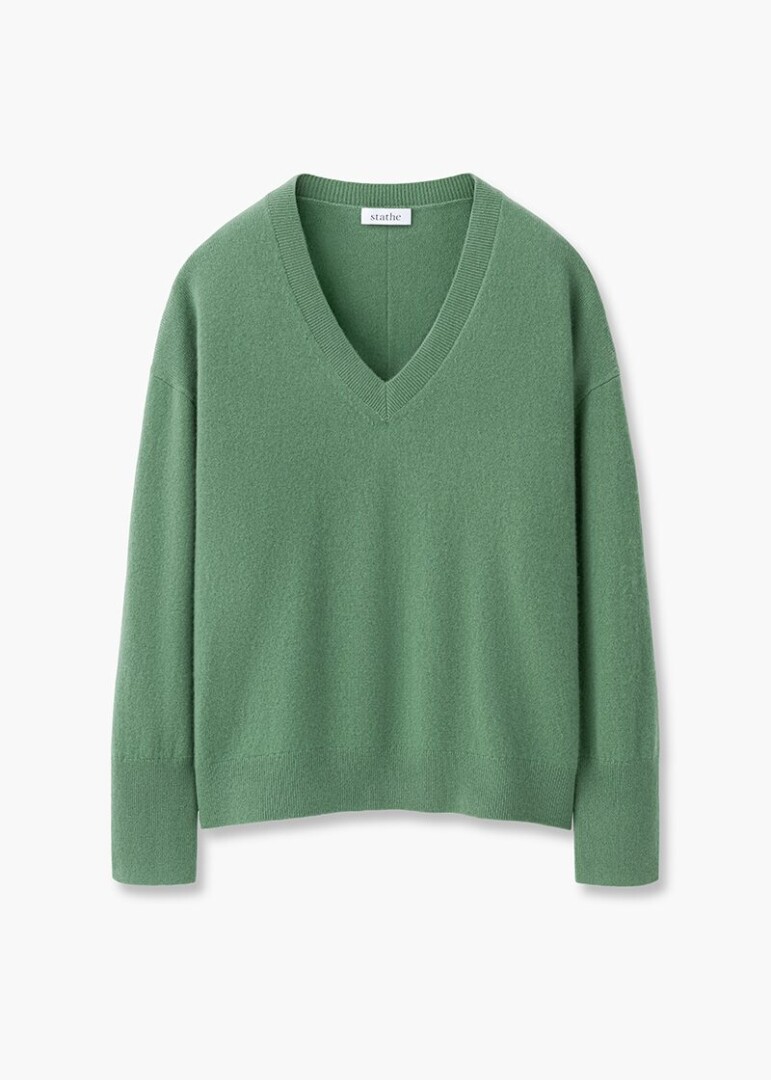
How Shootify works
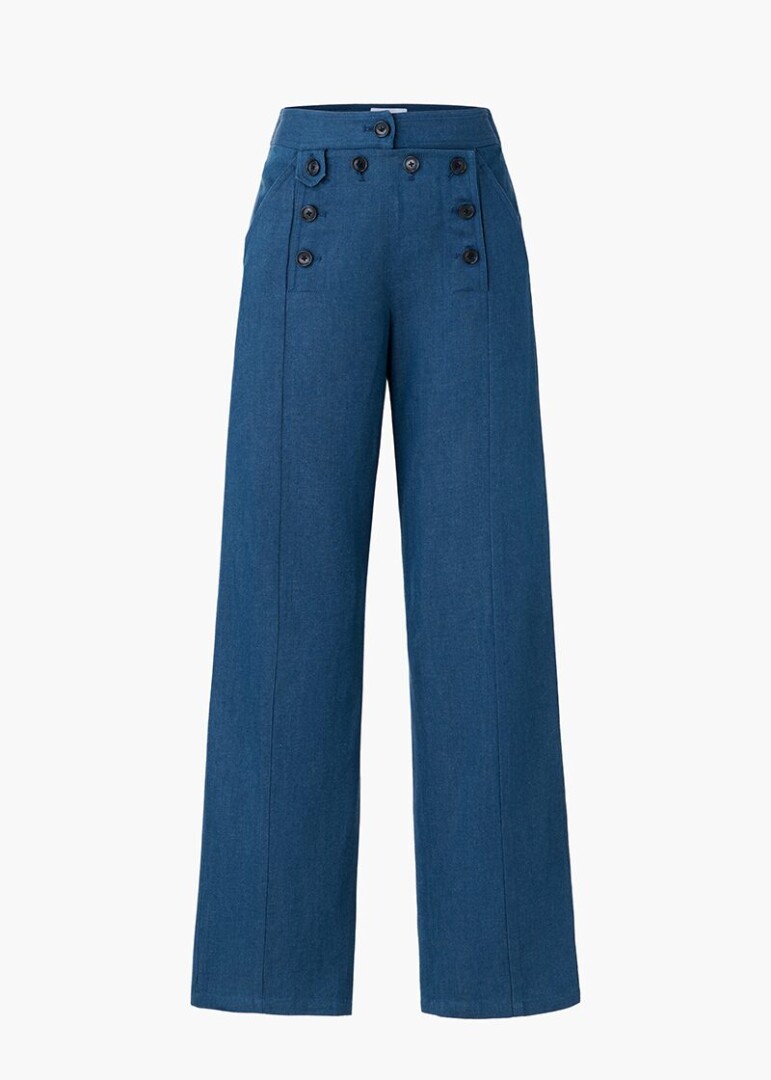
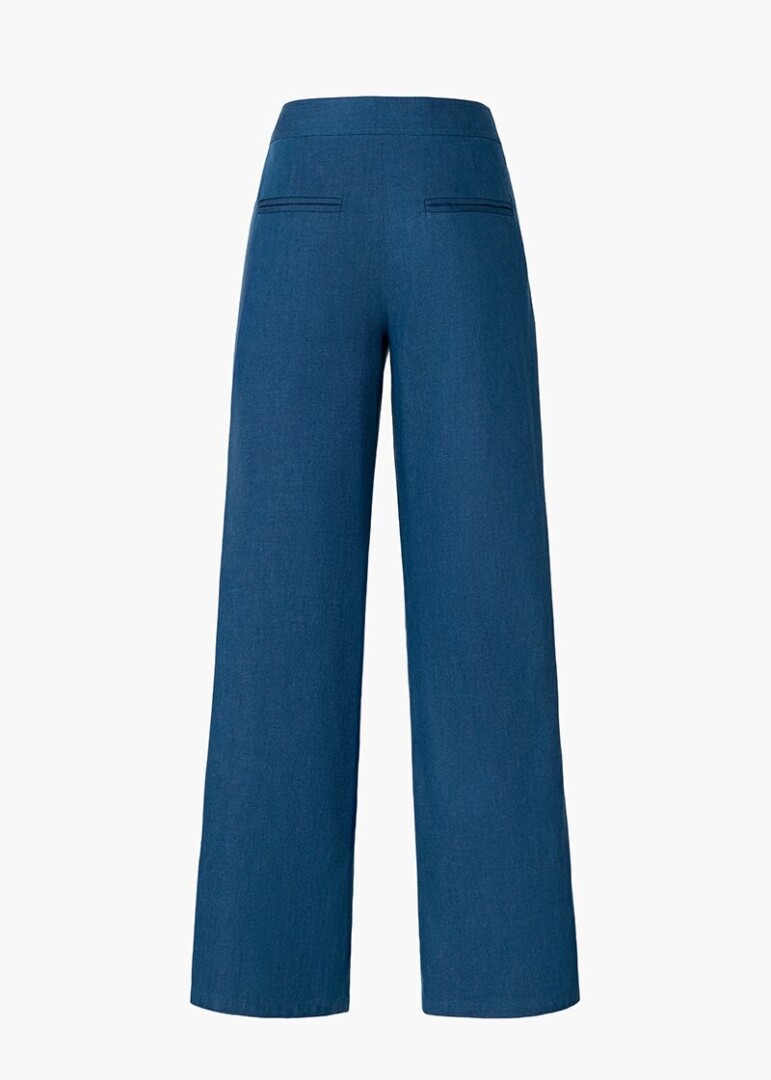
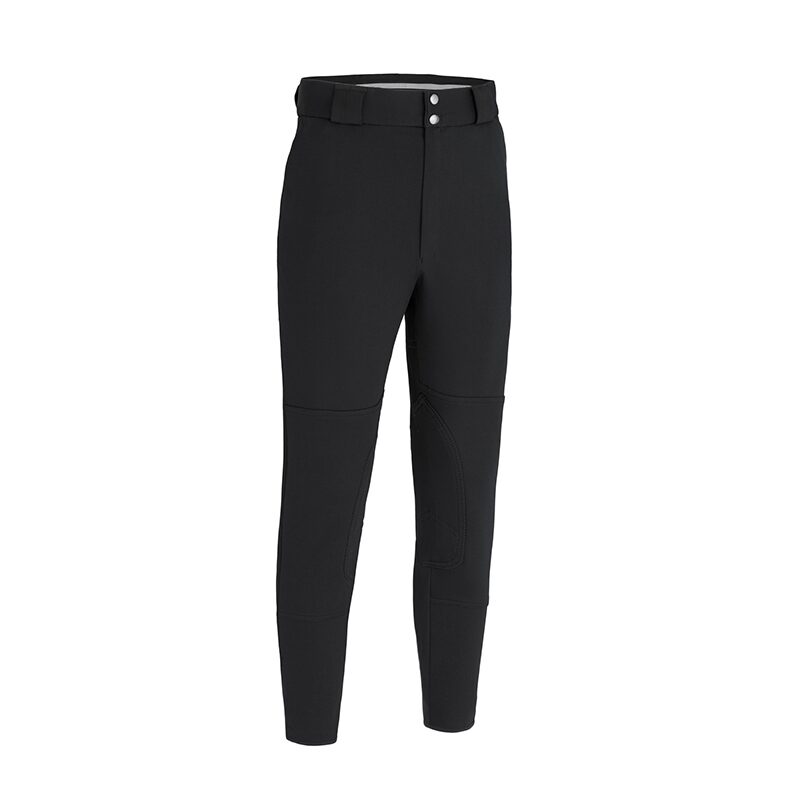
Shootify is a product photography and video studio for ecommerce brands across the US. You ship your products to us from anywhere in the country, and we take care of the rest.
- Send us your product list and references. We’ll reply with an itemized quote.
- Ship your products and send us the tracking number.
- We test a few items and confirm the look with you, then shoot the full order.
- Your files arrive in 6–8 business days, retouched, named and sized for your store. Need them sooner? Rush delivery takes 3–4 business days.
Flat lay, ghost mannequin, on-model, product video, Instagram Reels, Amazon listing images and AI lifestyle images, all under one roof. Explore our product photography services.
Frequently asked questions
How much does product photography cost in 2026?
Product photos are usually priced per image, and on-model shoots by the half or full day. At Shootify, product photos start at $26 per image, and on-model shoots start at $1,800 for a half day (up to 25 pieces).
How long does a product photo shoot take?
At Shootify, final files arrive 6–8 business days after we receive your products, instructions and payment. Rush delivery takes 3–4 business days.
Do you offer a free test shoot?
No. When your order arrives, we shoot a few items first and confirm the styling and lighting with you before we shoot the rest. You can also send a few items for a paid test.
Should I choose flat lay or ghost mannequin?
It depends on the product. Hoodies and relaxed pieces often look best as flat lays, while fitted pieces like leggings show better on a ghost mannequin. Many brands use both, chosen product by product.
How do you choose models for an on-model shoot?
Two ways at once: the model should represent your brand and customer, and they have to fit your sample sizes exactly. We ask for sample sizes and references first, confirm measurements with the agency, and send you options to approve before the shoot.
Can I use AI instead of a photo shoot?
AI works best built on real photos of your product: for lifestyle scenes, locations and Amazon images. For full clothing collections, a real model gives the most accurate fit and print.
Tell us what you’re selling
Send your product list and references, and we’ll reply with an itemized quote within 1–2 business days.
Get a quote