
The Power of High-Quality Photos in Boosting Online Sales
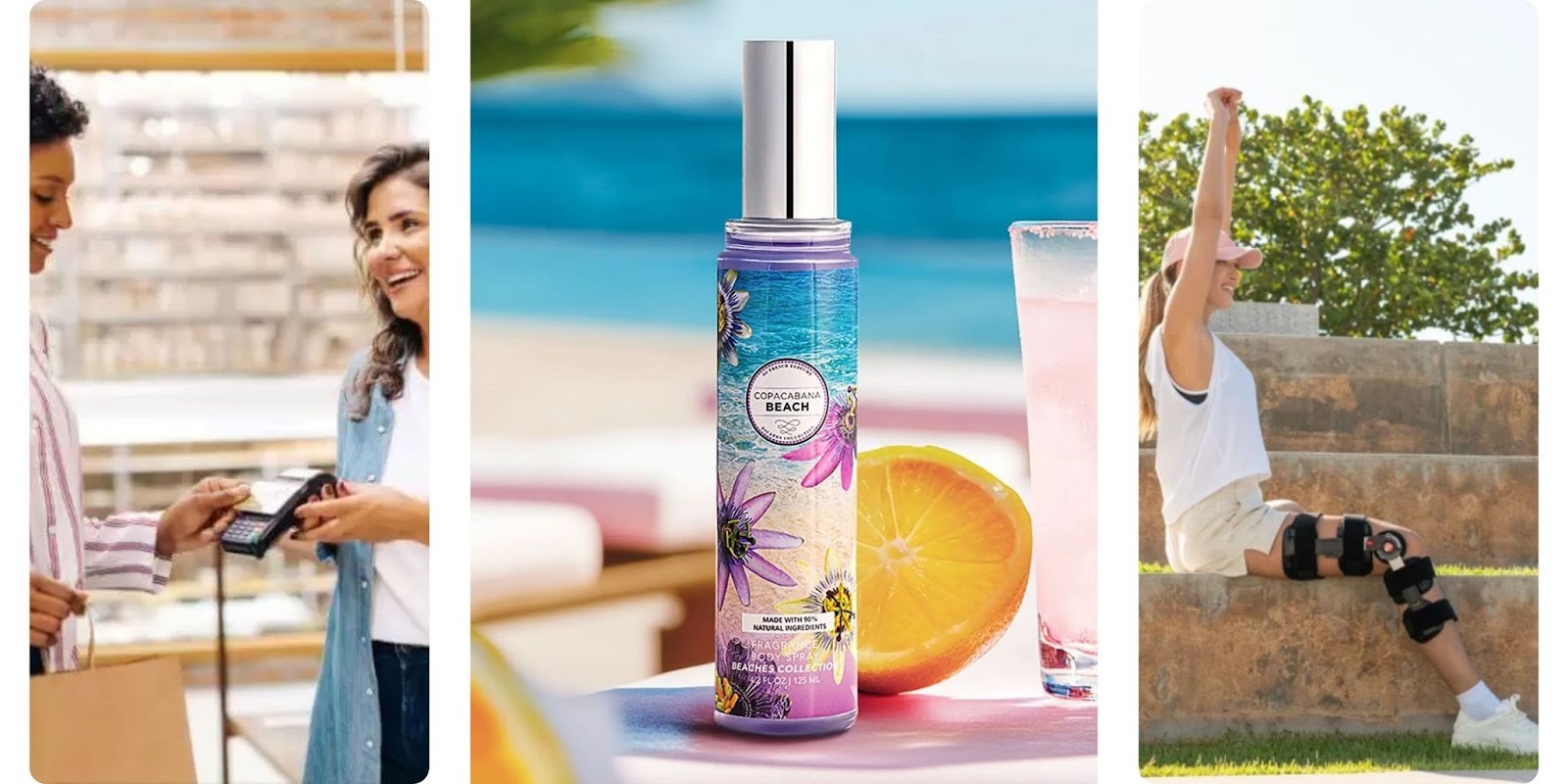
Most online shoppers rely heavily on visuals before making a purchase. Without physical interaction, customers judge quality, usability, and value almost entirely through images.
Clear, detailed photos:
- Reduce uncertainty
- Answer unspoken questions
- Create emotional connection
- Increase perceived value
When shoppers can see texture, size, shape, color, and use context clearly, they feel more confident clicking the “buy” button. In contrast, poor-quality images raise doubts, create friction, and often lead to abandoned carts.
Simply put, customers trust what they can clearly see.
How High-Quality Photos Build Brand Trust
Your product images reflect your brand standards. If your photos look careless, dark, or inconsistent, shoppers subconsciously assume the same about your business.
Professional images communicate:
- Reliability
- Attention to detail
- Product authenticity
- Brand professionalism
Trust is the foundation of online sales. A visually polished store feels safer, more established, and more credible — especially for first-time buyers.
Strong photography doesn’t just sell products; it sells confidence.
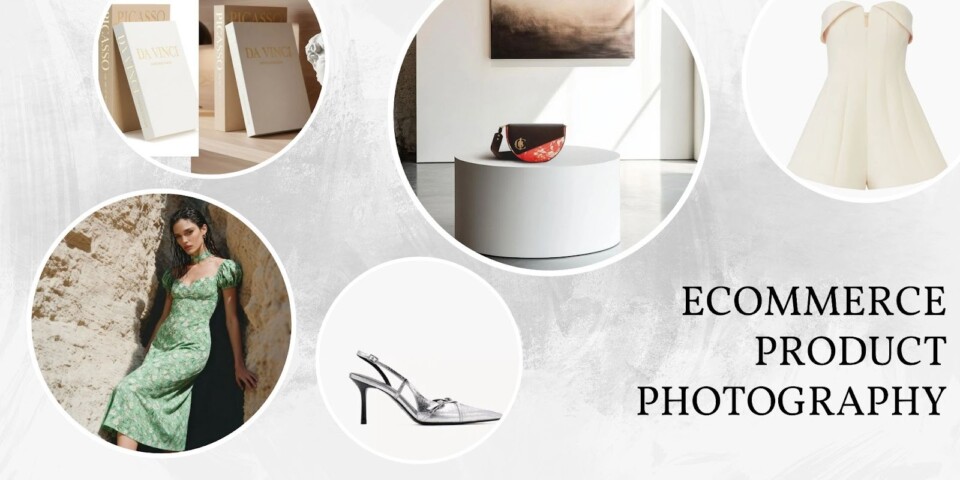
The Role of Images in Conversion Rates
High-quality images guide customers through their decision-making journey. They reduce hesitation by providing clarity and reassurance.
For example:
- Lifestyle photos help customers imagine ownership
- Close-ups highlight craftsmanship and quality
- Multiple angles eliminate doubts
- Zoom features simulate physical inspection
The more visually informed a customer feels, the less risk they perceive — and lower risk means higher conversions.
For apparel this is where on-model product photography does most of the work, since fit and drape are difficult to judge from a flat image alone.
Best Practices for Creating Effective Product Photos
1. Use Proper Lighting
Good lighting is essential. Soft, even light reveals textures, avoids harsh shadows, and keeps colors accurate.
2. Choose Clean Backgrounds
A simple background ensures the product remains the focus. Neutral or brand-aligned backdrops prevent distractions.
3. Show Multiple Angles
Front, side, back, top, and close-up shots answer visual questions and reduce return rates.
4. Keep Editing Natural
Editing should enhance clarity, not change reality. Over-editing can lead to customer disappointment and loss of trust.
5. Maintain Consistency
Use the same style, lighting, angles, and framing across all products to create a cohesive brand experience.
Applying all five consistently across a full catalog is where most in-house attempts break down — it is also what our product photography services are built around.
Optimizing Product Photos for SEO
High-quality images also improve search visibility when properly optimized.
Use Descriptive File Names
Replace generic names with meaningful ones that describe the product.
Add Clear Alt Text
Alt text improves accessibility and helps search engines understand your images.
Compress Without Losing Quality
Optimized file sizes improve site speed, which boosts SEO rankings and reduces bounce rates.
A visually rich site that loads fast performs better both in search results and user engagement.
Consistency Across Platforms Strengthens Your Brand
Customers often encounter your brand across different platforms — website, social media, ads, and marketplaces. When visuals remain consistent everywhere, recognition grows.
Consistency builds:
- Familiarity
- Professionalism
- Brand memory
- Emotional connection
This visual reliability reinforces trust and improves long-term loyalty.
What Has Changed Since This Was Written
This article was first published in early 2024. The core argument still holds — product images do more selling than product copy — but the landscape around it has moved in three ways worth noting.
Shoppers are almost entirely on phones. Image decisions that made sense for a desktop gallery no longer do. A detail that reads clearly at full width can disappear on a five-inch screen. The practical test is simple: look at your own listing on your phone, at arm’s length, and see how much you can actually tell about the product.
Video has moved from optional to expected. In 2024 a product video was a differentiator. It is now closer to a baseline on most marketplaces, particularly for apparel, where movement and drape are difficult to convey in stills alone.
AI has changed the cost of lifestyle imagery. Placing a photographed product into a generated environment is now a routine part of production. This has made lifestyle and on-model imagery accessible to brands that previously could not justify a full location shoot — which in turn has raised the baseline quality that shoppers expect from everyone.
What has not changed is the starting point. Generated environments only work when the product itself was photographed properly — accurate color, correct proportion, real material detail. A weak base photograph produces a weak final image regardless of what is built around it.
Where Poor Images Cost You Money
The damage from weak product photography is rarely a single visible failure. It shows up in four places at once:
- Fewer clicks from search. On a marketplace results page your image competes directly against every other seller in the category. A dull or poorly cropped hero shot loses the click before the product itself is ever considered.
- Lower conversion on the listing. Shoppers who cannot answer their questions from the images leave rather than guess. Missing scale, missing detail, and missing color accuracy are the three most common gaps.
- Higher return rates. Returns are driven largely by the distance between what the shopper expected and what arrived. Images are where that expectation is set, which makes accurate photography a direct lever on returns.
- Weaker brand recall. Inconsistent lighting and styling across a catalog makes a brand harder to recognize. Consistency across images compounds over time in a way that no single strong photograph does.
Getting Started
Shootify is an ecommerce product photography studio working with brands from anywhere in the US. You ship your products, we photograph, retouch, and deliver — typically within 5–7 business days. Ghost mannequin, flat lay, on-model, 360 spin, and marketplace listing assets are all handled in-house under one visual standard.
Pricing starts at $26 per image on high-volume orders. See our pricing or get in touch to talk through your catalog.
Conclusion
High-quality product photos play a much bigger role than simply making your website look attractive. They help build trust, improve your visibility in search results, and create a smooth, confident shopping experience for customers across every platform. When your images are clear, accurate, and consistent, shoppers feel more comfortable, stay longer on your site, and are more likely to complete a purchase.
Strong visuals turn first-time visitors into confident buyers and loyal customers. By investing in professional photography and following best practices, you create an online store that feels reliable, engaging, and easy to trust — which ultimately leads to stronger connections, better conversions, and long-term business growth.
FAQs
High-quality photos help customers clearly see the product, build trust, and reduce uncertainty, making them more likely to complete a purchase.
A complete set usually includes a clean shot on white, several angles, a close-up on material or construction, and at least one image showing the product in use or at scale. The mix depends on the category — apparel needs fit and drape, while technical products need detail and component views.
They remove the questions that stop a shopper from buying. Accurate color, visible texture, and clear scale answer the doubts a customer would otherwise resolve by leaving the page. Better images also earn more clicks from search results, where your photograph competes directly against every other seller.
Most marketplaces allow six to seven images. Fill all of them. Each additional image that answers a real question reduces hesitation, and empty slots are a missed opportunity rather than a neutral choice.
No. Most ecommerce photography now runs remotely — you ship products in, the studio photographs and retouches, and files come back digitally. Shootify works with brands from anywhere in the US.