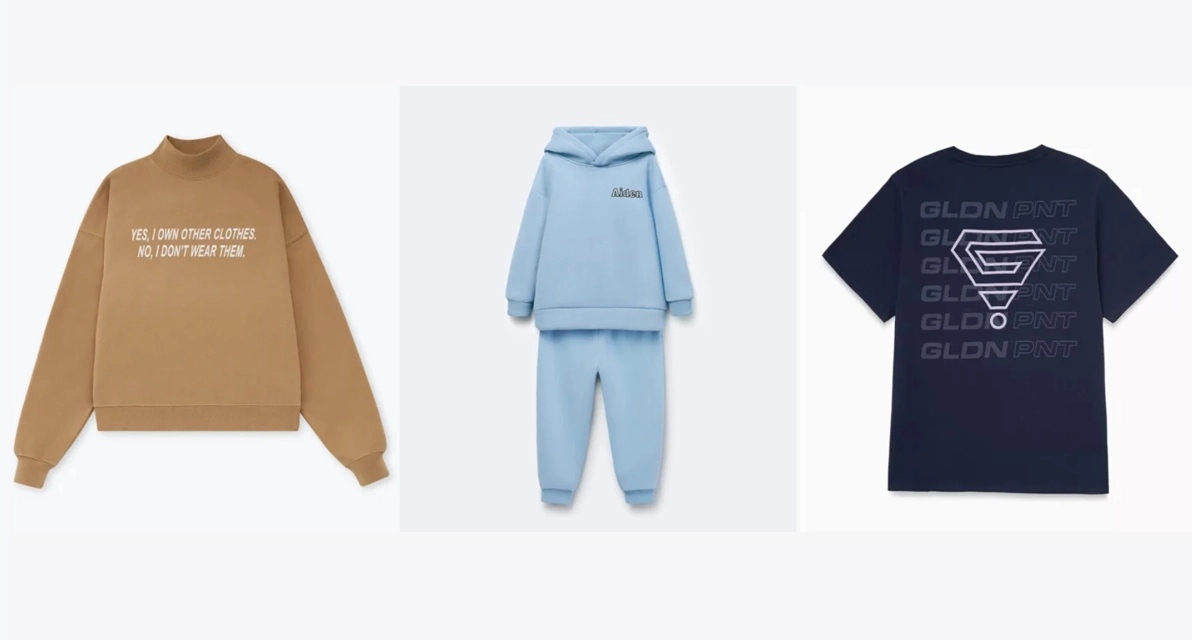
Flat lays allow customers to focus on what matters most: the product itself. Fabric, color, graphics, and construction are easy to see, and collections look clean and organized when displayed together.
At Shootify,
flat lay photography is not treated as a single technique, but as a system. The setup, styling, and lighting are chosen based on the product, the brand, and how the images will be used across the website, social media, and campaigns.
Types of Flat Lay Photography
Not all flat lays are the same. The right setup depends on the garment and the visual goal. A professional flat lay photographer selects the approach that best supports the product.
Tabletop Flat Lays
This is the most traditional flat lay setup. The garment is placed flat on a table or board and photographed from directly above.
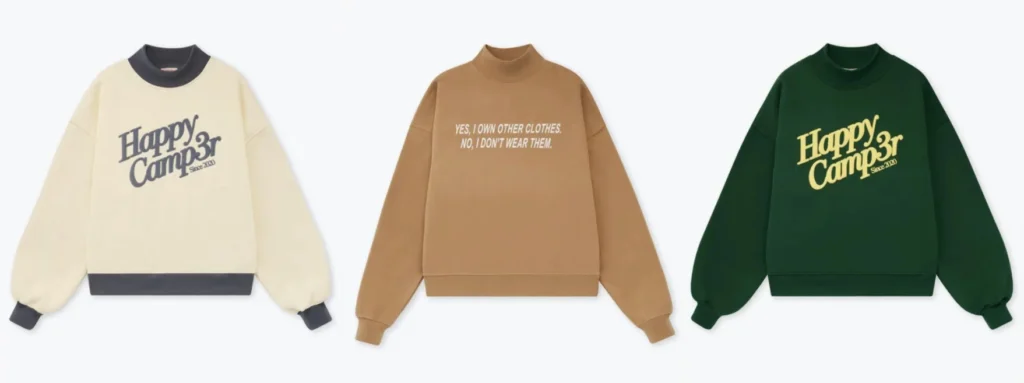
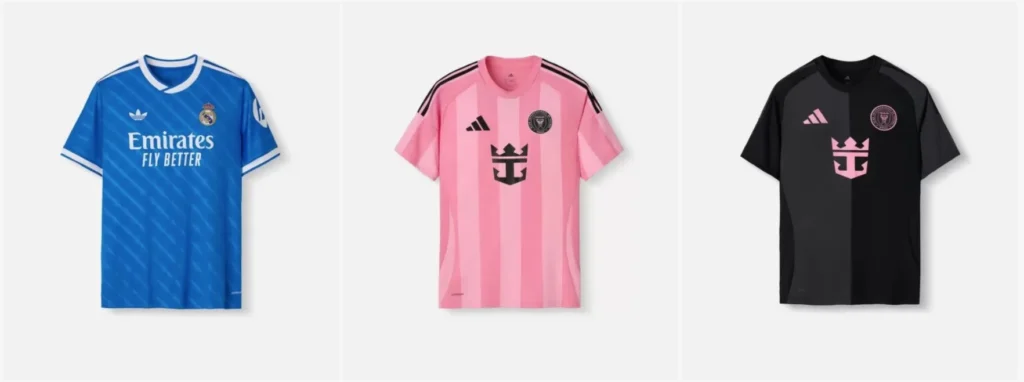
Tabletop flat lays work well for many products, especially T-shirts, hoodies, and simple tops. They create a clean, balanced look and are easy to keep consistent across large collections. This setup is often used when symmetry and clarity are the priority.
Hanging Flat Lays
In a hanging flat lay, the garment is suspended on a wall or board rather than lying flat. Gravity allows the fabric to fall naturally, helping to show length and drape.
This approach works particularly well for dresses, coats, and longer garments. Hanging flat lays add a more natural feel without using a mannequin, and are useful when fabric movement is part of the design.
Pinned Wall Flat Lays
Pinned wall flat lays are a more controlled version of hanging flat lays. The garment is carefully pinned or taped to a vertical surface to create structure and symmetry.
This technique removes uneven folds and creates a clean, front-facing presentation. The result is similar to a ghost mannequin image, but achieved through flat lay styling. It’s a strong option for garments that need clear shape and sharp lines.
Each flat lay type serves a different purpose. Some brands use one method consistently, while others mix techniques based on the product. For example, tabletop flat lays may be used for most items, while pinned wall or hanging flat lays are chosen for pieces that benefit from added structure or natural drape. The focus is always on showing the garment in the most effective way.
Styling Approaches for Flat Lays
The setup is only the starting point. Styling is what turns a flat lay into a professional product image.
Grouped Flat Lays
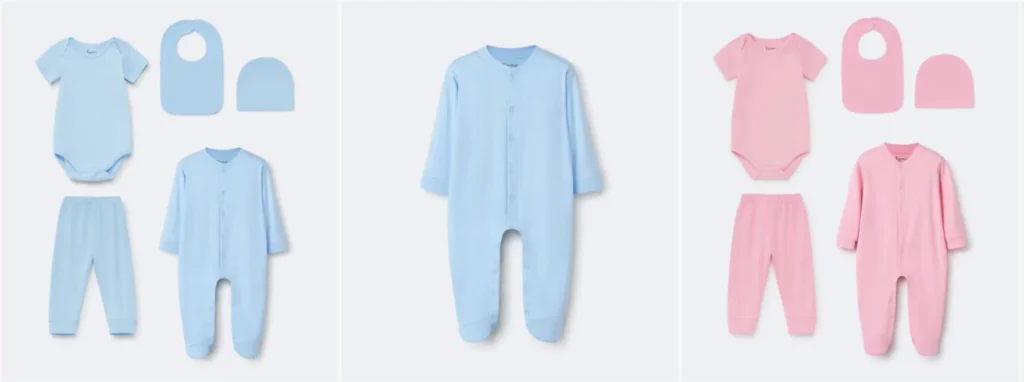
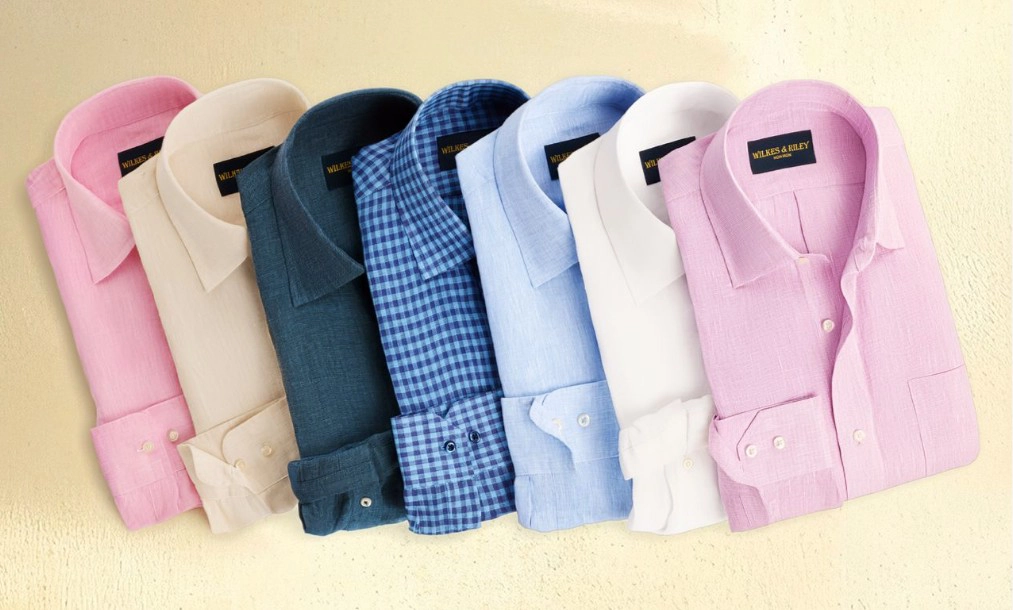
Grouped flat lays show multiple products in one image. This can be a full outfit, coordinated pieces, or the same item in different colors.
Grouped images are useful for showing collections and how products work together. They are often used on category pages, lookbooks, or marketing content, as long as the layout stays clean and product-focused.
Styled Grouped Flat Lays
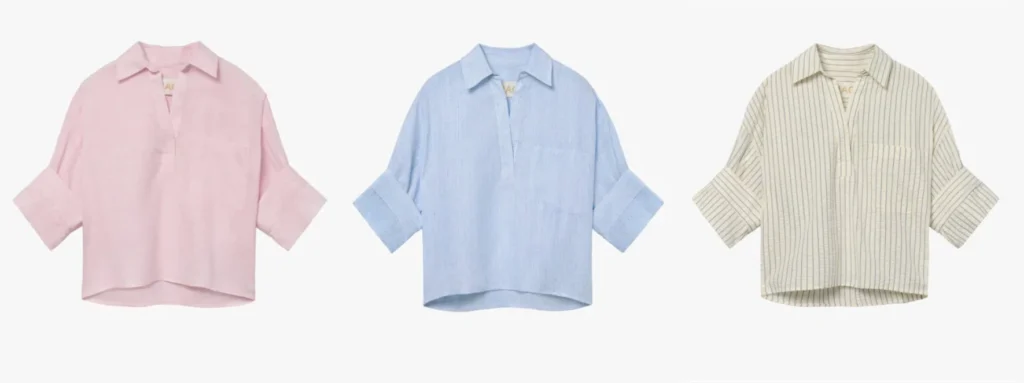
Even a single garment benefits from thoughtful styling. Small adjustments — like shaping a collar, folding a sleeve, or controlling how fabric sits — can make the product feel more natural and wearable.
The goal is not to over-style, but to present the garment in a way that feels intentional and aligned with the brand.
Stuffed Flat Lays (Adding Volume)
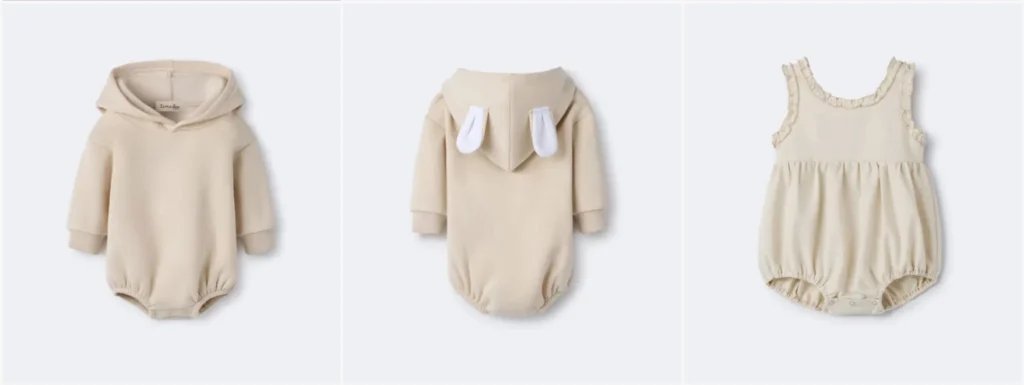
Flat lays can sometimes look too flat if not styled correctly. To avoid this, Shootify uses filler materials and custom shapers to add subtle volume and structure.
Stuffing helps jackets, hoodies, sweaters, and dresses look more dimensional. The garment appears fuller and more realistic, without using a mannequin. All supports are removed in retouching, leaving a clean final image.
This styling is used for Zara flat lays.